ACHAIKI IATRIKI | 2026; 45(2): 82–97
Review
Giannakakis Georgiadis1, Angelos Daniilidis2
1Theagenio cancer hospital of Thessaloniki, Gynecological Oncology Department, Thessaloniki, Greece
2Papageorgiou General Hospital, Department of Gynaecology – Obstetrics of the Aristotle University of Thessaloniki, A’ Obstetrics and Gynaecology Clinic, Thessaloniki, Greece
Received: 26 Jun 2025; Accepted: 12 Nov 2025
Corresponding author: Giannakakis Georgiadis, Gynecological Oncology Department, Theagenio Cancer, Hospital of Thessaloniki, Thessaloniki, Greece, E-mail: john_geo94@yahoo.com
Keywords: Endometriosis, pathogenesis; treatment, fertility impact, psychological impact

Abstract
Endometriosis, a chronic gynecological disorder characterized by the growth of endometrial-like tissue outside the uterus, affects a significant percentage of reproductive-age women and remains a complex condition with multifaceted clinical, biological, and genetic dimensions. This systematic review critically synthesizes the most highly cited research over the last decade to provide a comprehensive, evidence-based overview of the advances in endometriosis, spanning its epidemiology, pathophysiology, diagnostic approaches, and treatment modalities.
By categorizing studies into key themes, this review highlights emerging insights into the etiology and mechanisms of endometriosis, emphasizing the roles of genetic predisposition, immune dysregulation, and environmental factors. Recent developments in diagnostic techniques, particularly those improving non-invasive diagnostics, are examined, reflecting a shift toward early, accessible detection aimed at mitigating the condition’s impact on fertility and quality of life. Furthermore, therapeutic strategies are explored, from pharmacological innovations and hormonal treatments to the evolving scope of surgical interventions, including fertility-preserving options. This work underscores the significant progress made in understanding endometriosis, while also identifying enduring challenges in effective long-term management and individualized care. Limitations in current research, such as the variability in diagnostic criteria and the scarcity of longitudinal data, are discussed to underscore areas for future investigation.
INTRODUCTION
Endometriosis is a chronic, inflammatory, estrogen-dependent disease defined by the presence of endometrial-like tissue outside the uterine cavity, predominantly affecting women of reproductive age. It is associated with a broad spectrum of symptoms, including dysmenorrhea, dyspareunia, chronic pelvic pain, and infertility, significantly impacting patients’ physical, emotional, and social well-being [1-5]. The global prevalence is currently estimated at 10–15% among women of reproductive age, although the true incidence may be underestimated due to diagnostic delays and variability in clinical presentation [1,6-8].
The burden of endometriosis extends beyond clinical manifestations. It imposes a significant economic cost due to direct medical expenditures and productivity loss and is now widely recognized as a public health issue [9–15]. The average diagnostic delay, reported between 7 and 10 years, highlights systemic deficiencies in early recognition and accurate diagnosis, often attributed to the normalization of menstrual pain, the lack of non-invasive biomarkers, and inconsistent symptomatology [16-20]. Additionally, disparities in access to healthcare services across different populations exacerbate the diagnostic gap, especially in low-resource settings [21-23].
Over the years, substantial progress has been made in understanding the complex pathophysiology of endometriosis, encompassing genetic, immunologic, and hormonal factors. Despite this, challenges remain in its diagnosis and management. Laparoscopy with histological confirmation remains the diagnostic gold standard [24-28]. Less-invasive imaging modalities and biomarker-based approaches are under active investigation [29-36].
Therapeutic options are diverse, ranging from pharmacological treatments—mainly hormonal suppression—to surgical interventions and assisted reproductive techniques in the case of infertility [28,38-45]. However, there is currently no definitive cure, and recurrence after treatment remains common [24,37,38,46,47]. The management of endometriosis should be individualized, taking into account the severity of symptoms, reproductive goals, patient age, and coexisting medical conditions, thereby emphasizing the importance of a patient-centered approach [13,48-50].
This systematic review synthesizes current evidence regarding the epidemiology, pathogenesis, clinical manifestations, diagnostic methods, therapeutic strategies, and socioeconomic implications of endometriosis. Furthermore, it explores emerging research directions and knowledge gaps that could inform future innovation in diagnostics, personalized treatment, and policy-making [51-54].
1. METHODOLOGY
This systematic review was conducted in accordance with the Preferred Reporting Items for Systematic Reviews and Meta-Analyses (PRISMA 2020) framework.
A comprehensive electronic search was performed across PubMed, Scopus and the Cochrane Library databases to identify studies published between January 2010 and August 2024.
The following keywords and Boolean operators were applied in various combinations: “endometriosis”, “pathogenesis”, “diagnosis”, “management”, “treatment”, “fertility”, “quality of life”, “psychosocial impact” and “economic burden”.
Only peer-reviewed original articles, systematic reviews, meta-analyses, and clinical guidelines written in English and involving human subjects were included. Exclusion criteria comprised non-English publications, animal studies, case reports, and non-peer- reviewed materials. Duplicates were removed before screening.
Two independent reviewers performed study selection and data extraction and discrepancies were resolved through consensus. The study selection process is presented in Figure 1.
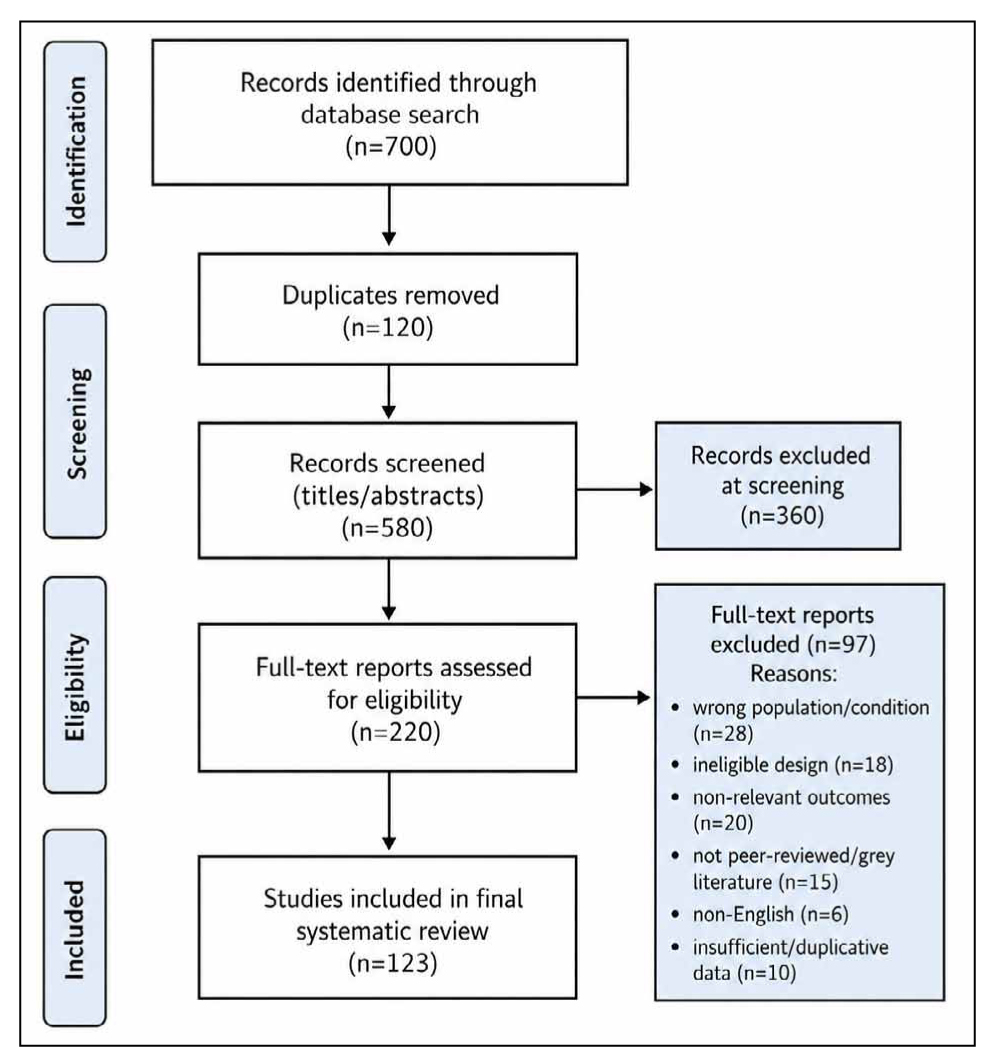
Figure 1. PRISMA 2020 flow diagram of study identification, screening, eligibility, and inclusion.
2. EPIDEMIOLOGY
2.1 Global Prevalence of Endometriosis
The global prevalence of endometriosis is estimated at 10–15% among women of reproductive age, with variations depending on the diagnostic methods and population characteristics [1,6-8]. Underdiagnosis in developing countries may lead to inaccurate global estimates, while higher prevalence is reported in urban areas and is linked to lifestyle factors such as delayed childbearing, stress, and diet [7,55-58].
2.2 High-Risk Populations and Incidence Variability
Incidence rates of endometriosis are higher among women aged 20–40, with ethnic and socioeconomic disparities affecting diagnosis and access to care [14,21-23,59]. Genetic predisposition plays a significant role, with a heritability estimate of around 50% [60-65]. Familial aggregation and twin studies have confirmed this genetic influence, highlighting the importance of early recognition in high-risk populations [63-65].
2.3 Regional and Socioeconomic Influences on Endometriosis
Endometriosis is often underdiagnosed in low-income countries due to limited healthcare resources, while higher prevalence in developed regions may reflect improved diagnostic capabilities [14,21–23]. Environmental and occupational exposures, particularly to endocrine-disrupting chemicals (EDCs), have emerged as potential contributors to the rising incidence of endometriosis [55,56,58].
Socioeconomic disparities, access to gynecological care, and cultural perceptions of menstrual pain further affect diagnosis and disease management across populations [14,19–23].
Recent epidemiological data indicate that the global burden of endometriosis may be underestimated, especially among underserved groups, emphasizing the need for harmonized diagnostic criteria and the development of international registries [7,66].
3. PATHOGENESIS AND RISK FACTORS
3.1 Retrograde Menstruation and Other Pathophysiological Theories
The theory of retrograde menstruation, originally proposed by Sampson in 1927, remains a central explanation for pathogenesis of endometriosis [67-69]. It posits that menstrual debris containing viable endometrial cells travels backward through the fallopian tubes into the peritoneal cavity, where it adheres and proliferates on ectopic sites. However, this theory alone cannot explain all cases, including such as distant lesions or those occurring in women with obstructed menstrual flow [68,69].
Consequently, alternative mechanisms such as coelomic metaplasia, Müllerian remnant transformation, and stem-cell involvement have been proposed [68,69,70-72]. The coelomic-metaplasia theory suggests that peritoneal cells, under specific stimuli, may transform into endometrial-like cells [68-71]. Müllerianosis and lymphatic or hematogenous dissemination have also been implicated in extrapelvic disease, including thoracic and neural endometriosis [68,69]. More recently, bone-marrow-derived and mesenchymal stem cells have been shown to contribute to lesion initiation and persistence, particularly in deep infiltrating endometriosis and ovarian endometriomas [70-72].
3.2 Genetic and Epigenetic Factors
Familial clustering of endometriosis supports a genetic predisposition [62,63,65]. Twin and genome-wide association studies (GWAS) have identified susceptibility loci on chromosomes 1p36, 7p15.2, 9p21 and 12q22 [60,62,63]. Several single nucleotide polymorphisms (SNPs) near genes involved in estrogen metabolism [estrogen receptor 1 (ESR1)], cell adhesion [cyclin dependent kinase inhibitor 2B antisense RNA 1 (CDKN2BAS)], and immune modulation [wingless-type MMTV integration site family, member 4 (WNT4), vezatin (VEZT)] are consistently linked with increased risk [60,62,63,65,73]. A growing body of evidence supports a unifying genetic-epigenetic model linking heritable susceptibility with acquired molecular alterations in endometriotic tissue [74].
Epigenetic mechanisms — including DNA methylation, histone modifications, and non- coding RNAs — play a pivotal role in aberrant gene expression within endometriotic lesions [69,71,72,75]. Aberrant methylation of genes regulating steroid-hormone signaling, matrix remodeling, and inflammation (e.g. HOXA10, SF-1, CYP19A1) has been demonstrated [69,71,72]. Moreover, dysregulation of microRNAs such as the miR- 200 family and let-7 further contributes to lesion persistence, proliferation, and apoptosis resistance [69,71,72,75].
3.3 Inflammation and Immune Dysfunction
Endometriosis is increasingly recognized as a chronic systemic inflammatory disease [66,69,71]. Peritoneal fluid of affected women contains elevated levels of pro-inflammatory cytokines [interleukin-1 beta (IL-1β), interleukin-6 (IL-6), tumor necrosis factor-alpha (TNF-α)] and growth factors [vascular endothelial growth factor (VEGF), monocyte chemoattractant protein-1 (MCP-1)], promoting angiogenesis and lesion survival [69,71,72,76].
Macrophages, neutrophils, and activated T cells exhibit impaired phagocytic activity, enabling ectopic endometrial cells to evade immune clearance [69,71,72]. Natural killer cells show reduced cytotoxicity, while regulatory T cells (Tregs) are up-regulated, contributing to immune tolerance [69,71,72]. The detection of autoantibodies further supports a possible autoimmune component [71].
3.4 Hormonal Dysregulation
Endometriosis is an estrogen-dependent and progesterone-resistant disorder [69,72,77]. Ectopic lesions display increased aromatase expression and local estrogen production even without ovarian activity [69,72]. Progesterone-receptor isoform B (PR-B) is down- regulated in ectopic tissue, resulting in impaired responsiveness, persistent inflammation, and unopposed estrogen-driven proliferation [72,77]. Estrogen promotes cellular proliferation, angiogenesis, and neuroinflammation, enhancing lesion persistence [69,71,72]. The imbalance between estradiol and progesterone contributes to apoptosis resistance and chronic disease progression [69,72].
3.5 Environmental and Anatomical Factors
Exposure to endocrine-disrupting chemicals (EDCs) — including dioxins, polychlorinated biphenyls (PCBs) and phthalates — has been linked to increased endometriosis risk in both animal and epidemiologic studies [55,56,58]. Although mechanisms are not fully elucidated, these agents likely disrupt hormonal signaling and immune surveillance [55,56,58]. Anatomical abnormalities such as Müllerian anomalies enhance retrograde menstruation and are associated with early-onset and severe disease [68,69,71]. Menstrual characteristics — early menarche, short cycles, prolonged bleeding — further modify individual risk [59,78,79].
4. CLINICAL PRESENTATION AND DIAGNOSIS
4.1 Symptomatology
Endometriosis exhibits a broad spectrum of clinical manifestations, ranging from asymptomatic cases to severe, debilitating symptoms. The most commonly reported include dysmenorrhea, non-cyclic pelvic pain, deep dyspareunia, dyschezia, dysuria, and infertility [81-83].
Symptoms are typically chronic and progressive, profoundly affecting quality of life [81,82]. Pain intensity often shows poor correlation with disease extent — women with minimal lesions may experience severe pain, while others with extensive disease can remain asymptomatic [81,82,84].
Infertility affects approximately 30–50% of women with endometriosis and may result from distorted pelvic anatomy, chronic inflammation, altered immune responses [69], or impaired folliculogenesis and endometrial receptivity [41,42,85-87]. Gastrointestinal and urinary manifestations are more common in deep infiltrating endometriosis (DIE), particularly when lesions involve the rectovaginal septum, bowel, or bladder [29,30,31,88].
Psychological distress — notably anxiety, depression, and sexual dysfunction — is highly prevalent, underscoring the need for a holistic, multidisciplinary management approach [89-92].
4.2 Classification and Staging
Multiple systems have been proposed to assess the extent and severity of endometriosis. The revised American Society for Reproductive Medicine (rASRM) classification remains the most widely applied, staging disease from I (minimal) to IV (severe) based on lesion location, depth, and adhesions. However, it correlates poorly with symptom burden and fertility outcomes [26,28,84].
To address these limitations, the #ENZIAN classification was introduced, enabling detailed topographic mapping of DIE and extraperitoneal disease compartments [93]. Comparative analyses suggest that #ENZIAN offers improved prognostic accuracy for fertility outcomes relative to rASRM and the Endometriosis Fertility Index (EFI) [94]. The EFI, in turn, is validated as a predictive tool for spontaneous conception following surgery and is increasingly adopted in reproductive practice [95]. Recent consensus guidelines emphasize the integration of these complementary systems into individualized clinical decision-making [96].
4.3 Diagnostic Modalities
The diagnostic gold standard remains laparoscopy with histological confirmation of endometrial glands and/or stroma in ectopic sites [24,26,28,97,98]. Its invasive nature and variable surgical expertise have, however, prompted a major shift toward non- invasive diagnostic approaches [24,28,30,34-36,99].
Transvaginal ultrasound (TVUS) is considered the first-line imaging tool for suspected endometriomas or DIE when performed by trained sonographers [29,31,100].
Magnetic resonance imaging (MRI) offers superior delineation and pre-surgical mapping, especially in complex or multifocal disease [28-31].
Serum biomarkers, notably CA-125, demonstrate limited sensitivity in early disease; novel candidates such as miRNAs, cytokine panels, and immune-modulatory molecules show promise but remain non-validated for clinical routine [32-35].
Artificial intelligence (AI)–based diagnostic tools are an emerging field, enhancing lesion detection on TVUS and MRI while reducing inter-observer variability. Early trials show high sensitivity but require large-scale validation before clinical adoption [100-103].
Given the absence of a reliable non-invasive test, timely recognition of characteristic symptoms, clinical expertise, and prompt referral remain essential for accurate diagnosis [16-20,24,25,28]. Future diagnostic strategies will increasingly rely on the integration of imaging, molecular, and AI-driven tools within specialized multidisciplinary centers [36,102]. The main diagnostic modalities are summarized in Table 1.
5. TREATMENT OPTIONS
5.1 Pharmacological Management
Medical therapy for endometriosis aims to suppress ovarian function, reduce estrogen- driven inflammation, and relieve pain.
First-line options include nonsteroidal anti-inflammatory drugs (NSAIDs) for pain and combined oral contraceptives (COCs), which suppress ovulation and induce a pseudo- pregnancy state to reduce menstrual bleeding [24,28,77,96].
Progestins such as dienogest and norethisterone acetate are widely used for their anti- estrogenic and anti-inflammatory effects. Dienogest, in particular, effectively reduces lesion volume and pain with excellent long-term tolerability [37,77].
Gonadotropin-releasing hormone (GnRH) agonists (e.g., leuprolide, triptorelin) create a reversible hypoestrogenic state akin to medical menopause, reducing pain but often causing vasomotor symptoms, bone loss, and mood changes. Add-back therapy with low- dose estrogen–progestin is recommended for extended use [24,28,96].
GnRH antagonists (e.g., elagolix, relugolix) act directly at the pituitary level, providing dose-dependent estrogen suppression and faster reversibility. Recent phase-3 trials confirm significant improvements in pain and quality of life with manageable side effects [38].
Aromatase inhibitors (e.g., letrozole, anastrozole) can be used as adjuncts in refractory or postmenopausal cases, though their off-label status and bone demineralization risk limit long-term use [105].
Despite symptomatic relief, medical therapies do not eliminate lesions or prevent recurrence after discontinuation, emphasizing the importance of individualized, stepwise management [24,28,53,86]. The principal hormonal treatment options are summarized in Table 2.
5.2 Surgical Approaches
Laparoscopic surgery remains the cornerstone of definitive diagnosis and treatment, especially for cases resistant to medical therapy or associated with endometriomas and DIE [26,46,104,106,107,108].
The surgical goal is complete excision or ablation of visible lesions, adhesiolysis, and restoration of pelvic anatomy [46,104,106,107].
Excision is generally favored over ablation for deep lesions, as it offers lower recurrence and greater pain relief [46,104,106,107].
For ovarian endometriomas, cystectomy is preferred to drainage/coagulation, yielding improved symptom control and lower recurrence – though with possible impact on ovarian reserve [24,41,43,46,108].
Recurrence rates remain 30–50% within five years, depending on disease severity, surgeon experience, and postoperative hormonal suppression [37,44,46,77, 85,104,106,107]. The main surgical approaches and outcomes are summarized in Table 3.
5.3 Assisted Reproductive Technologies (ART)
For women with endometriosis-associated infertility, assisted reproductive technologies provide an effective route to conception [42,45,85,109].
In mild to moderate disease, intrauterine insemination (IUI) with ovulation induction may be attempted [42,85,109].
In advanced stages or after failed conservative management, in vitro fertilization (IVF) remains the preferred option [42,45,85,110].
Pre-IVF surgical treatment may improve outcomes in selected patients, but unnecessary surgery should be avoided to preserve ovarian reserve [41-44,85,95].
Meta-analyses confirm that fertility outcomes depend heavily on disease stage and prior surgery, underscoring the need for individualized reproductive planning [42,45,85,94,109,110].
5.4 Emerging and Complementary Therapies
Recent studies explore targeted molecular and immunologic therapies, including anti- TNF-α agents, angiogenesis inhibitors, and neuroinflammatory pathway modulators [47,50,102].
Cochrane evidence suggests anti-TNF-α may reduce pelvic pain but requires further validation [47].
The endocannabinoid system and microbiota modulation are new research frontiers, with cannabinoid-based interventions showing potential benefits for pain and inflammation control [111].
Complementary approaches — dietary modification, acupuncture, and pelvic-floor physiotherapy — may improve pain and quality of life, though evidence remains limited and heterogeneous [39,48,49].
5.5 Personalized and Multidisciplinary Management
A multidisciplinary, patient-centered model is essential for long-term disease control. Collaboration between gynecologists, fertility specialists, pain physicians, psychologists, and pelvic physiotherapists ensures comprehensive care [25,28,48,49].
Therapeutic decisions should consider symptom profile, fertility goals, patient age, comorbidities, and personal preferences, promoting optimal quality of life and functional outcomes [25,48,49,88].
6. FERTILITY AND PREGNANCY OUTCOMES
6.1 Impact on Fertility
Endometriosis is a major cause of infertility, affecting up to 50% of women seeking conception [85,112].
The underlying mechanisms are multifactorial. In advanced disease, pelvic adhesions and anatomical distortion compromise oocyte release, tubal patency, and fertilization [42,44,85]. However, even in minimal or mild endometriosis, infertility can result from subclinical inflammation, oxidative stress, immune dysregulation, and defective endometrial receptivity [71,86,87,113].
Endometrial receptivity is reduced due to altered expression of implantation markers such as integrins, Homeobox A10 (HOXA10), and leukemia inhibitory factor (LIF), all critical for embryo implantation [86,87]. Elevated concentrations of cytokines, prostaglandins, and reactive oxygen species (ROS) in the peritoneal and follicular fluid further impair gamete function and embryo development [71,76,114].
Ovarian endometriomas may adversely affect the follicular microenvironment, lower antral follicle count, and diminish ovarian reserve, particularly after repeated surgery or when bilateral [71,85,113].
6.2 Role of Surgery and ART
Laparoscopic excision of endometriotic lesions can improve spontaneous conception rates, especially in stage I–II disease [42,44,85]. However, its benefit in advanced disease is less consistent, as irreversible anatomic damage often limits natural fertility [42,44,85].
Assisted reproductive technologies (ART) — particularly in vitro fertilization (IVF) — remain the cornerstone of fertility management for moderate-to-severe endometriosis [42,44,45,110]. IVF outcomes are generally favorable, though some studies report reduced oocyte yield and implantation rates compared with those associated with other infertility etiologies [42, 45, 85, 109].
Surgical removal of endometriomas prior to IVF remains controversial. While it may enhance follicle accessibility and reduce local inflammation, it can also compromise ovarian reserve. Thus, intervention should be individualized and guided by endometrioma size, ovarian function, and previous surgical history [41-44,85].
The Endometriosis Fertility Index (EFI) is a validated tool integrating surgical and reproductive data to predict natural conception probability and guide the timing of ART [95]. The main fertility and pregnancy outcomes associated with endometriosis are summarized in Table 4.
6.3 Pregnancy Outcomes
Although endometriosis does not preclude pregnancy, affected women exhibit higher obstetric risk profiles. Meta-analyses have demonstrated increased rates of preterm birth, placenta previa, preeclampsia, small-for-gestational-age infants, and cesarean delivery [85,113,115].
In DIE, abnormal placentation and defective decidualization likely contribute to these complications through chronic inflammation and fibrosis at the implantation site [85,113,114].
Additionally, women with endometriosis have higher rates of first-trimester bleeding and spontaneous miscarriage, particularly those with severe pelvic disease or those with extensive adhesions [85,113,115].
Despite these risks, most pregnancies progress favorably with appropriate prenatal surveillance and multidisciplinary obstetric management [85,113,115].
Symptoms of endometriosis often improve during pregnancy due to hormonal suppression, but recurrence is common postpartum, necessitating counseling and long- term follow-up [113].
7. QUALITY OF LIFE AND PSYCHOSOCIAL IMPACT
7.1 Physical and Functional Impairment
Endometriosis profoundly affects physical functioning and daily life, mainly through chronic pelvic pain, fatigue, dysmenorrhea, and dyspareunia [4,90,116].
Many women experience reduced occupational productivity, including both presenteeism and absenteeism as well as restrictions in physical or social activities [117].
Pain, often cyclic, may evolve into a chronic state, severely impairing mobility, sleep, and overall well-being [90,116].
Beyond pain, persistent fatigue, gastrointestinal discomfort, and low physical stamina undermine quality of life [90,116].
Endometriosis-associated fatigue is increasingly recognized as a distinct clinical symptom, independent of lesion extent and is associated with inflammatory cytokines and endocrine dysregulation [90,114].
7.2 Psychological Distress and Mental Health
A substantial proportion of patients report anxiety, depression, and emotional distress. Chronic pain, dyspareunia, and infertility contribute to feelings of helplessness, frustration, and social isolation [89,90,118].
Elevated rates of major depressive and generalized anxiety disorders—and even suicidal ideation—have been documented among women with moderate-to-severe disease [51,90,108].
Sleep disturbance and emotional dysregulation frequently persist during asymptomatic phases, underscoring the chronic psychological dimension of endometriosis [51,90]. Dyspareunia further aggravates relationship strain and body-image dissatisfaction, fueling low self-esteem and sexual dysfunction [81,119].
Such psychological sequelae often remain unresolved despite medical or surgical therapy, emphasizing the need for integrated mental-health support within standard care [51,114].
7.3 Social and Relational Challenges
The social consequences of endometriosis extend to intimacy, relationships, and social participation. Fear of pain during intercourse may lead to avoidance, communication breakdown, and emotional withdrawal [81,119].
Among younger women, symptom unpredictability can interfere with education, dating, and career planning [83].
Persistent stigma and under ecognition contribute to delayed diagnosis and psychological suffering.
Many patients describe feeling dismissed or disbelieved by clinicians, relatives, or employers, thereby intensifying distress [19,20,119,120].
This invisibility often drives social isolation and loss of workplace belonging, reinforcing the importance of public awareness and advocacy [13].
7.4 Economic and Occupational Impact
The economic burden of endometriosis is substantial [11,13,15,117].
It includes direct healthcare costs (consultations, imaging, surgeries and medication) and indirect costs from reduced work capacity, disability leave, and productivity loss [11,15,117].
Women with endometriosis miss more workdays and are more likely to change jobs, or reduce working hours [13,117].
On average, 10–12 hours of productivity are lost weekly per patient, with measurable national economic implications [11,117].
Combined with out-of-pocket medical expenses and limited insurance coverage, these factors highlights the need for earlier diagnosis, effective pain management, and supportive employment policies [13,15,117].
7.5 Importance of Holistic and Multidisciplinary Care
Optimizing quality of life requires a holistic, patient-centered model that extends beyond pharmacologic symptom control.
Comprehensive care should include psychological counseling, sexual therapy, physiotherapy, and social-support services tailored to individual needs [28,49,52]. Multidisciplinary teams—comprising gynecologists, psychologists, pain specialists, and physiotherapists—address the full biopsychosocial burden [28,49,52].
Education, empowerment, and self-management programs improve treatment adherence, coping skills, and emotional resilience, reinforcing their role in long-term management [49,52].
8. FUTURE DIRECTIONS AND RESEARCH PERSPECTIVES
Despite major progress in understanding endometriosis, significant challenges persist in diagnosis, treatment, and long-term management.
The future of research lies in interdisciplinary collaboration, emerging molecular technologies, and personalized medicine, all aiming for earlier detection, targeted therapies, and improved quality of life.
This section outlines the most promising directions shaping the next era of endometriosis research.
8.1 Refining Pathophysiological Models
Traditionally viewed as a gynecologic disorder caused by retrograde menstruation, endometriosis is now recognized as a complex, systemic disease driven by endocrine, immune, genetic, and epigenetic mechanisms [71,114,121].
Contemporary models suggest a multi-hit pathogenesis involving peritoneal inflammation, immune escape, altered stem-cell behavior, and epigenetic reprogramming [40,71,114,121].
Emerging evidence links aberrant Müllerian development and disruption of the endometrial–myometrial interface to DIE, particularly among adolescents and early-onset cases [71,104,123].
Such findings could lead to the identification of molecular subtypes (“phenotypes”), improving diagnostic accuracy, prognostic evaluation, and individualized therapy [27,62,104].
8.2 Biomarkers and Non-Invasive Diagnosis
A key unmet need remains the development of non-invasive diagnostic tools. While laparoscopy is the diagnostic gold standard, its invasive nature, cost, and contribution to diagnostic delay drive the search for reliable biomarkers.
Candidate markers include microRNAs, inflammatory cytokines (IL-6, TNF-α), CA-125, and vascular endothelial growth factor (VEGF); however their sensitivity and specificity remain inconsistent. Recent advances in transcriptomics, metabolomics, and proteomics from blood, urine, or menstrual effluent are promising avenues [96, 102].
Integrating these multi-omic signatures through machine learning and AI may enable high-accuracy diagnostic panels capable of complementing or replacing surgical confirmation [74,96,100,102,103].
AI-assisted imaging—especially MRI and high-resolution transvaginal ultrasound (TVUS)—is evolving toward automated lesion mapping, potentially revolutionizing early and non-invasive diagnosis [29,31,100,103].
8.3 Innovation in Therapeutics
The next generation of endometriosis treatment moves beyond hormonal suppression, targeting molecular pathways that drive inflammation, neuroangiogenesis, and fibrosis [40,72,121].
Current research directions include:
Anti-angiogenic agents (e.g., bevacizumab, sunitinib) to suppress neovascularization and lesion growth [50,121].
Immunomodulators (e.g., TNF-α and IL-1β inhibitors) to restore immune homeostasis and improve lesion clearance [122].
Selective estrogen and progesterone receptor modulators (SERMs, SPRMs) offering tissue-selective hormonal control [28,50,77].
GnRH antagonists (such as elagolix and relugolix) that allow dose-dependent suppression with fewer hypoestrogenic effects [28,38].
Cannabinoids and neuromodulators for pain modulation through central and peripheral pathways [51,111].
Experimental frontiers include gene therapy, mesenchymal stem-cell repair, and anti- fibrotic molecules such as pirfenidone or transforming growth factor-β (TGF-β) inhibitors, though these remain in preclinical stages [50,53].
8.4 Personalized Medicine and Disease Stratification
Endometriosis is a heterogeneous disorder—clinically, histologically, and molecularly. The rise of precision medicine—fueled by genomic and proteomic profiling—promises a transformative approach.
AI-based algorithms integrating clinical, imaging, and molecular data are being developed to predict disease progression, recurrence, and treatment response [96,100,102,103].
Patient stratification by molecular phenotype, hormone-receptor profile, or neurovascular characteristics could enable tailored therapies while minimizing overtreatment [27,62,96,104].
Ongoing and future clinical trials are adopting subgroup-specific designs, enhancing real- world applicability and moving toward truly individualized care [38,53,95].
8.5 Addressing Health Equity and Inclusion in Research
Historically, endometriosis research has underrepresented non-majority populations, creating critical knowledge gaps.
Future efforts must prioritize inclusivity across demographics and gender identities, encompassing:
Adolescents, in whom disease may be underdiagnosed or misattributed to primary dysmenorrhea [123].
Transgender and non-binary individuals, who face distinct diagnostic and therapeutic barriers.
Ethnic and socioeconomic minorities, who disproportionately experience delayed diagnosis and limited care access [13,21-23].
Integrating patient-centered qualitative research and real-world registries from diverse populations is essential to develop equitable global guidelines and ensure that advances reach all affected individuals [14,23,59-61].
8.6 Policy Advocacy and Funding Priorities
Despite its high prevalence and economic burden, endometriosis remains underfunded relative to comparable chronic diseases.
Key policy priorities include:
Expanding public awareness and menstrual health education to shorten diagnostic delay.
Increasing investment in basic and translational research.
Establishing national registries and longitudinal databases to monitor disease course and treatment outcomes.
Embedding endometriosis management within broader reproductive health and chronic pain frameworks.
Sustained governmental and institutional support is vital to translate scientific progress into accessible, evidence-based care, ensuring measurable improvement in women’s health worldwide [11-15,21,114]. Emerging therapeutic strategies are summarized in Table 5.
9. ECONOMIC BURDEN OF DISEASE
Endometriosis imposes a substantial economic burden on individuals, healthcare systems, and society. Total costs include both direct medical expenses and indirect losses related to productivity, disability, and diminished quality of life [11-15,21,117].
9.1 Direct Costs
Direct healthcare costs encompass physician visits, diagnostic imaging, laboratory testing, medical therapy, and surgical interventions.
Among these, laparoscopy and repeat surgeries, particularly for deep infiltrating endometriosis (DIE), account for the largest proportion [12,117].
Prolonged diagnostic delay—often exceeding 7–10 years—further inflates costs due to repeated consultations, misdiagnoses, and ineffective treatments before definitive management [13,19,20,119].
A 2020 European cost-analysis reported an annual per-patient direct cost between €3,000 and €9,000, depending on disease severity, comorbidities, and treatment modality [12,15,21].
Recent health-economic comparisons indicate that endometriosis-related expenditures rival or surpass those of other chronic disorders such as diabetes or Crohn’s disease, underscoring its underappreciated financial impact [11,12,14,15].
9.2 Indirect Costs
Indirect costs often exceed direct medical expenses, primarily through absenteeism, presenteeism, disability leave, and early workforce exit [12,15,117].
Women with endometriosis lose on average 10–12 hours of work productivity weekly, particularly during menses or symptomatic exacerbations [11,15,117].
Younger women may experience career delays or educational interruptions, while others face unreimbursed expenses for complementary therapies, fertility procedures, or travel to specialized centers [13,15,21].
A 2023 systematic review confirmed that productivity loss constitutes nearly two-thirds of the total economic cost in high-income countries [12,15,117].
9.3 Broader Societal Impact
At the population level, endometriosis translates into billions of euros in annual healthcare and productivity losses [11,12,21].
A global estimate (2012) placed the yearly economic cost at approximately $69.4 billion in the United States and €30 billion in Europe, with comparable trends in Asia and Latin America [12,15,117].
Despite this scale, endometriosis remains severely underfunded and insufficiently prioritized in public health frameworks.
Strategic investments in earlier diagnosis, streamlined treatment pathways, and multidisciplinary models of care could markedly reduce long-term costs and improve both clinical and economic outcomes [11,13-15,21,117].
10. CONCLUSIONS
Endometriosis is a multifaceted, chronic, and often progressive disease affecting a significant proportion of women of reproductive age, with wide-ranging repercussions for physical health, fertility, psychological well-being, and socioeconomic stability.
Although described over a century ago, it remains a diagnostic and therapeutic challenge due to its heterogeneity, elusive pathogenesis, and variable treatment response.
This review consolidates current evidence on the clinical, psychosocial, and economic burden of endometriosis.
Diagnostic delay remains a major barrier, leading to years of untreated symptoms and preventable suffering.
The absence of a pathognomonic marker and reliance on surgical confirmation perpetuate this gap, while ongoing advances in imaging and biomarker discovery hold promise for the future.
Pathophysiologically, endometriosis represents a systemic inflammatory and hormonal disorder, shaped by retrograde menstruation, immune dysregulation, genetic susceptibility, and epigenetic reprogramming.
The conventional classification into superficial peritoneal, ovarian, and deep infiltrating forms offers clinical guidance but does not fully capture its biological diversity.
Management must be individualized.
Pharmacologic therapies—COCs, progestins, and GnRH analogs—remain first-line for symptom relief, yet they are palliative rather than curative.
Surgical excision, though effective for diagnosis and pain relief, carries recurrence risk and may impact fertility, underscoring the need for judicious selection.
Assisted reproductive technologies (ART) continue to offer reproductive hope, but success rates vary by disease stage and prior surgery.
An interdisciplinary model, integrating fertility, pain, and mental-health specialists, yields the most favorable long-term outcomes.
Beyond the physical domain, endometriosis exerts a profound psychosocial toll. Depression, anxiety, sexual dysfunction, and relationship strain are common and demand holistic, empathetic care.
Its economic cost, compounded by healthcare spending and lost productivity, further underscores the urgency for policy attention and resource allocation.
The future of endometriosis management will hinge on precision medicine, molecular phenotyping, artificial intelligence, and multi-omic integration, enabling earlier diagnosis and targeted therapy.
Investment in inclusive research, public education, and policy reform is essential to reduce diagnostic delay and improve equity in care access.
In conclusion, endometriosis must be recognized as a systemic, biopsychosocial condition requiring multidisciplinary collaboration, patient-centered strategies, and sustained scientific innovation.
By uniting research, clinical expertise, and advocacy, the global health community can move toward earlier diagnosis, improved quality of life, and true empowerment for the millions of women affected by this disease worldwide.
Conflict of interest
None to declare.
Declaration of funding sources
None to declare.
Author Contributions
The author was responsible for conceptualization, methodology, data interpretation and manuscript drafting. All authors approved the submitted version.
REFERENCES
- Zondervan KT, Becker CM, Missmer SA. Endometriosis. N Engl J Med. 2020;382(13):1244-1256.
- Bulun SE, Yilmaz BD, Sison C, Miyazaki K, Bernardi L, Liu S, et al. Endometriosis. Endocr Rev. 2019;40(4):1048-1079.
- Nnoaham KE, Hummelshoj L, Webster P, d’Hooghe T, de Cicco Nardone F, de Cicco Nardone C, et al. Impact of endometriosis on quality of life and work productivity: a multicenter study across ten countries. Fertil Steril. 2011;96(2):366-373.e8.
- Mehedintu C, Plotogea MN, Ionescu S, Antonovici M. Endometriosis still a challenge. J Med Life. 2014;7(3):349-357.
- Parasar P, Ozcan P, Terry KL. Endometriosis: Epidemiology, Diagnosis and Clinical Management. Curr Obstet Gynecol Rep. 2017;6(1):34-41.
- Zondervan KT, Becker CM, Koga K, Missmer SA, Taylor RN, Viganò P. Endometriosis. Nat Rev Dis Primers. 2018;4:9.
- Chapron C, Marcellin L, Borghese B, Santulli P. Rethinking mechanisms, diagnosis and management of endometriosis. Nat Rev Endocrinol. 2019;15(11):666-682.
- Eisenberg VH, Weil C, Chodick G, Shalev V. Epidemiology of endometriosis: a large population-based database study from a healthcare provider with 2 million members. BJOG. 2018;125(1):55-62.
- Darbà J, Marsà A. Economic implications of endometriosis: a review. Pharmacoeconomics. 2022;40(12):1143-1158.
- Simoens S, Dunselman G, Dirksen C, Hummelshoj L, Bokor A, Brandes I, et al. The burden of endometriosis: costs and quality of life of women with endometriosis and treated in referral centres. Hum Reprod. 2012;27(5):1292-1299.
- Fuldeore M, Yang H, Du EX, Soliman AM, Wu EQ, Winkel C. Healthcare utilization and costs in women diagnosed with endometriosis before and after diagnosis: a longitudinal analysis of claims databases. Fertil Steril. 2015;103(1):163-171.
- Armour M, Lawson K, Wood A, Smith CA, Abbott J. The cost of illness and economic burden of endometriosis and chronic pelvic pain in Australia: A national online survey. PLoS One. 2019;14(10):e0223316.
- Rogers PAW, Adamson GD, Al-Jefout M, Becker CM, D’Hooghe TM, Dunselman GAJ, et al. Research Priorities for Endometriosis. Reprod Sci. 2017;24(2):202-226.
- Bougie O, Yap MI, Sikora L, Flaxman T, Singh SS. Influence of race/ethnicity on prevalence and presentation of endometriosis: a systematic review and meta-analysis. BJOG. 2019;126(9):1104-1115.
- Soliman AM, Surrey E, Bonafede M, Nelson JK, Castelli-Haley J. Real-World Evaluation of Direct and Indirect Economic Burden Among Endometriosis Patients in the United States. Adv Ther. 2018;35(3):408-423.
- Davenport S, Smith D, Green DJ. Barriers to a Timely Diagnosis of Endometriosis: A Qualitative Systematic Review. Obstet Gynecol. 2023;142(3):571-583.
- Dixon S, McNiven A, Talbot A, Hinton L. Navigating possible endometriosis in primary care: a qualitative study of GP perspectives. Br J Gen Pract. 2021;71(710):e668-e676.
- Van der Zanden M, Teunissen D, Braat DDM, Nap AW. Barriers and facilitators to the timely diagnosis of endometriosis in primary care in the Netherlands. Fam Pract. 2020;37(1):131-136.
- As-Sanie S, Black R, Giudice LC, Gray Valbrun T, Gupta J, Jones B, et al. Assessing research gaps and unmet needs in endometriosis. Am J Obstet Gynecol. 2019;221(2):86-94.
- Requadt E, Nahlik AJ, Jacobsen A, Ross WT. Patient experiences of endometriosis diagnosis: a mixed methods approach. BJOG. 2024;131(7):941–951.
- Westwood S, Fannin M, Ali F, Thigpen J, Tatro R, Hernandez A, et al. Disparities in Women With Endometriosis Regarding Access to Care, Diagnosis, Treatment, and Management in the United States: A Scoping Review. Cureus. 2023;15(5): e38765
- Orlando MS, Luna Russo MA, Richards EG, Wang W, DeFranco EA, Brown J, et al. Racial and ethnic disparities in surgical care for endometriosis across the United States. Am J Obstet Gynecol. 2022;226(6):824.e1-824.e11.
- Rahmioglu N, Zondervan KT. Endometriosis: disease mechanisms and health disparities. Bull World Health Organ. 2024;102(12):919-921.
- Becker CM, Bokor A, Heikinheimo O, Horne AW, Jansen F, Kiesel L, et al. ESHRE guideline: endometriosis. Hum Reprod Open. 2022;2022(2):hoac009.
- Horne AW, Missmer SA, Becker CM, Zondervan KT, Taylor HS, Vercellini P, et al. Pathophysiology, diagnosis, and management of endometriosis. BMJ. 2022;379:e070750.
- Gratton SM, Choudhry AJ, Vilos GA, Vilos A, Baier K, Holubeshen S, et al. Diagnosis of Endometriosis at Laparoscopy: A Validation Study Comparing Surgeon Visualization with Histologic Findings. J Obstet Gynaecol Can. 2022;44(2):135-141.
- Chiorean DM, Mitranovici MI, Toru HS, Cotoi TC, Tomuț AN, Turdean SG, et al. New insights into genetics of endometriosis-A comprehensive literature review. Diagnostics (Basel). 2023;13(13):2265.
- Dunselman GAJ, Vermeulen N, Becker C, Calhaz-Jorge C, D’Hooghe T, De Bie B, et al. ESHRE guideline: management of women with endometriosis. Hum Reprod. 2014;29(3):400-412.
- Guerriero S, Condous G, van den Bosch T, Valentin L, Leone FPG, Van Schoubroeck D, et al. Transvaginal ultrasound vs magnetic resonance imaging for diagnosing deep infiltrating endometriosis: systematic review and meta-analysis. Ultrasound Obstet Gynecol. 2018;51(5):586-595.
- Bazot M, Bharwani N, Huchon C, Kinkel K, Cunha TM, Guerra A, et al. European Society of Urogenital Radiology (ESUR) guidelines: MR imaging of pelvic endometriosis. Eur Radiol. 2017;27(7):2765-2775.
- Bindra V, Madhavi N, Mohanty GS, Nivya K, Balakrishna N. Pre-operative mapping and structured reporting of pelvic endometriotic lesions on dynamic ultrasound and its correlation on laparoscopy using the #ENZIAN classification. Arch Gynecol Obstet. 2023;307(1):179-190.
- Bendifallah S, Suisse S, Puchar A, Delbos L, Poilblanc M, Descamps P, et al. Salivary MicroRNA Signature for Diagnosis of Endometriosis. J Clin Med. 2022;11(3):612.
- Anastasiu CV, Moga MA, Neculau AE, Bălan A, Scârneciu I, Dragomir RM, et al. Biomarkers for the Noninvasive Diagnosis of Endometriosis: State of the Art and Future Perspectives. Int J Mol Sci. 2020;21(5):1750.
- Vanhie A, Caron E, Vermeersch E, O D, Tomassetti C, Meuleman C, et al. Circulating microRNAs as Non-Invasive Biomarkers in Endometriosis Diagnosis: A Systematic Review. Biomedicines. 2024;12(4):888.
- Gupta D, Hull ML, Fraser IS, Miller L, Bossuyt PMM, Johnson N, et al. Endometrial biomarkers for the non-invasive diagnosis of endometriosis. Cochrane Database Syst Rev. 2016;4:CD012165.
- Nisenblat V, Bossuyt PMM, Farquhar C, Johnson N, Hull ML. Imaging modalities for the non-invasive diagnosis of endometriosis. Cochrane Database Syst Rev. 2016;2:CD009591.
- Liu Y, Gong H, Gou J, Wu X, Tian X. Dienogest as a Maintenance Treatment for Endometriosis Following Surgery: A Systematic Review and Meta-analysis. Front Med (Lausanne). 2021;8:652505.
- Becker CM, Johnson NP, As-Sanie S, et al. Two-year efficacy and safety of relugolix combination therapy in women with endometriosis-associated pain: SPIRIT open-label extension study. Hum Reprod. 2024;39(3):526-537.
- Momenimovahed Z, Salehiniya H, Allahqoli L, Laganà AS, Mazidimoradi A, Moawad G, et al. Effects of herbal compounds on various aspects of endometriosis treatment: a systematic review. Eur Rev Med Pharmacol Sci. 2024;28(9):3375-3383.
- D’Alterio MN, Saponara S, Agus M, Laganà AS, Noventa M, Stochino Loi E, et al. Medical and surgical interventions to improve the quality of life for endometriosis patients: a systematic review. Gynecol Surg. 2021;18:13.
- Raffi F, Metwally M, Amer S. The impact of excision of ovarian endometrioma on ovarian reserve: a systematic review and meta-analysis. J Clin Endocrinol Metab. 2012;97(9):3146-3154.
- Hamilton KM, VanHise K, Truong MD, Wright KN, Siedhoff MT. Surgical management of endometriosis to optimize fertility. Curr Opin Obstet Gynecol. 2023;35(4):389-394.
- Kheil MH, Sharara FI, Ayoubi JM, Rahman S, Moawad G. Endometrioma and assisted reproductive technology: a review. J Assist Reprod Genet. 2022;39(2):283-290.
- Georgiou EX, Melo P, Baker PE, Sallam HN, Arici A, Garcia-Velasco JA, Abou-Setta AM, Becker C, Granne IE. Long-term GnRH agonist therapy before in vitro fertilisation (IVF) for improving fertility outcomes in women with endometriosis. Cochrane Database Syst Rev. 2019;2019(11):CD013240.
- Invernici D, Reschini M, Benaglia L, Somigliana E, Galati G, La Vecchia I, et al. The impact of endometriosis on IVF efficacy: qualitative and quantitative assessment of ovarian response and embryo development. Reprod Biomed Online. 2022;45(2):275-281.
- Johnson NP, Hummelshoj L; World Endometriosis Society Montpellier Consortium. Consensus on current management of endometriosis. Hum Reprod. 2013;28(6):1552-1568.
- Lu D, Song H, Shi G. Anti-TNF-α treatment for pelvic pain associated with endometriosis. Cochrane Database Syst Rev. 2013;(3):CD008088.
- Can G, das Virgens IPA, Fehér B, Orbán EP, Fehérvári P, Bánhidy F, et al. Physiotherapy for endometriosis-associated pelvic pain: a systematic review and meta-analysis. Pain Med. 2026;27(1):95-103.
- Fang QY, Campbell N, Mooney SS, Holdsworth-Carson SJ, Tyson K. Evidence for the role of multidisciplinary team care in people with pelvic pain and endometriosis: A systematic review. Aust N Z J Obstet Gynaecol. 2024;64(3):181-192.
- Li W, Zhang Q, Li Y, Zhang S, Wang X, Liu Z, et al. Immunotherapy: A promising novel endometriosis therapy. Front Immunol. 2023;14:1128301.
- Laganà AS, La Rosa VL, Rapisarda AMC, Valenti G, Sapia F, Chiofalo B, et al. Anxiety and depression in patients with endometriosis: impact and management challenges. Int J Womens Health. 2017;9:323-330.
- Dancet EAF, Apers S, Kremer JAM, Nelen WLDM, Sermeus W, D’Hooghe TM, et al. The patient-centeredness of endometriosis care and targets for improvement: a systematic review. Gynecol Obstet Invest. 2014;78(2):69-80.
- Horne AW, Saunders PTK, Abokhrais IM, Hogg L; Endometriosis Priority Setting Partnership Steering Group. Top ten endometriosis research priorities in the UK and Ireland. Lancet. 2017;389(10085):2191-2192.
- Giudice LC, Oskotsky TT, Falako S, Opoku-Anane J, Sirota M. Endometriosis in the era of precision medicine and impact on sexual and reproductive health across the lifespan and in diverse populations. FASEB J. 2023;37:e23130.
- Dutta S, Banu SK, Arosh JA. Endocrine disruptors and endometriosis. Reprod Toxicol. 2023;115:56–73.
- Marquardt RM, Tran DN, Lessey BA, Rahman MS, Jeong JW. Epigenetic Dysregulation in Endometriosis: Implications for Pathophysiology and Therapeutics. Endocr Rev. 2023;44(6):1074-1095.
- Chiaffarino F, Bravi F, Cipriani S, Parazzini F, Ricci E, Viganò P, et al. Coffee and caffeine intake and risk of endometriosis: a meta-analysis. Eur J Nutr. 2014;53(7):1573-1579.
- Sirohi D, Al Ramadhani R, Knibbs LD. Environmental exposures to endocrine disrupting chemicals (EDCs) and their role in endometriosis: a systematic literature review. Rev Environ Health. 2021;36(1):101-115.
- Shafrir AL, Farland LV, Shah DK, Harris HR, Kvaskoff M, Zondervan KT, et al. Risk for and consequences of endometriosis: A critical epidemiologic review. Best Pract Res Clin Obstet Gynaecol. 2018;51:1–15.
- Sapkota Y, Steinthorsdottir V, Morris AP, Fassbender A, Rahmioglu N, De Vivo I, et al. Meta-analysis identifies five novel loci associated with endometriosis highlighting key genes involved in hormone metabolism. Nat Genet. 2017;49(6):973-978.
- Rahmioglu N, Missmer SA, Montgomery GW, Zondervan KT. Insights into Assessing the Genetics of Endometriosis. Curr Obstet Gynecol Rep. 2012;1(3):124-137.
- Rahmioglu N, Mortlock S, Ghiasi M, Møller PL, Stefansdottir L, Bocking M, et al. The genetic basis of endometriosis and comorbidity with other pain and inflammatory conditions. Nat Genet. 2023;55(3):423-436.
- Painter JN, Anderson CA, Nyholt DR, Macgregor S, Lin J, Lee SH, et al. Genome-wide association study identifies a locus at 7p15.2 associated with endometriosis. Nat Genet. 2011;43(1):51-54.
- Treloar SA, O’Connor DT, O’Connor VM, Martin NG. Genetic influences on endometriosis in an Australian twin sample. Fertil Steril. 1999;71(4):701-710.
- Borghese B, Zondervan KT, Abrao MS, Chapron C, Vaiman D. Recent insights on the genetics and epigenetics of endometriosis. Clin Genet. 2017;91(2):254-264.
- Taylor HS, Kotlyar AM, Flores VA. Endometriosis is a chronic systemic disease: clinical challenges and novel innovations. Lancet. 2021;397(10276):839-852.
- Burney RO, Giudice LC. Pathogenesis and pathophysiology of endometriosis. Fertil Steril. 2012;98(3):511-519.
- Benagiano G, Brosens I, Lippi D. The history of endometriosis. Gynecol Obstet Invest. 2014;78(1):1-9.
- Klemmt PAB, Starzinski-Powitz A. Molecular and Cellular Pathogenesis of Endometriosis. Curr Womens Health Rev. 2018;14(2):106-116
- Koninckx PR, Ussia A, Adamyan L, Wattiez A, Gomel V, Martin DC. Pathogenesis of endometriosis: the genetic/epigenetic theory. Fertil Steril. 2019;111(2):327-340.
- Cho SB. Molecular Mechanisms of Endometriosis Revealed Using Omics Data. Biomedicines. 2023;11(8):2210.
- De Corte P, Klinghardt M, von Stockum S, Heinemann K. Time to Diagnose Endometriosis: Current Status, Challenges and Regional Characteristics—A Systematic Literature Review. BJOG. 2025;132(2):118-130.
- Smolarz B, Szyłło K, Romanowicz H. Endometriosis: Epidemiology, Classification, Pathogenesis, Treatment and Genetics (Review of Literature). Int J Mol Sci. 2021;22(19):10554.
- Houshdaran S, Oke AB, Fung JC, Vo KC, Nezhat C, Giudice LC. Steroid hormones regulate genome-wide epigenetic programming and gene transcription in human endometrial cells with marked aberrancies in endometriosis. PLoS Genet. 2020;16(6):e1008601
- Monnin N, Fattet AJ, Koscinski I. Endometriosis: Update of Pathophysiology, (Epi) Genetic and Environmental Involvement. Biomedicines. 2023;11(3):978.
- Abramiuk M, Grywalska E, Małkowska P, Sierawska O, Hrynkiewicz R, Niedźwiedzka-Rystwej P. The Role of the Immune System in the Development of Endometriosis. Cells. 2022;11(13):2028.
- Vannuccini S, Clemenza S, Rossi M, Petraglia F. Hormonal treatments for endometriosis: The endocrine background. Rev Endocr Metab Disord. 2022;23(3):333-355.
- Viganò P, Parazzini F, Somigliana E, Vercellini P. Endometriosis: epidemiology and aetiological factors. Best Pract Res Clin Obstet Gynaecol. 2004;18(2):177-200.
- Parazzini F, Viganò P, Candiani M, Fedele L. Diet and endometriosis risk: a literature review. Reprod Biomed Online. 2013;26(4):323-36.
- Mettler L, Ruprai R, Alkatout I. Impact of medical and surgical treatment of endometriosis on the cure of endometriosis and pain. BioMed Res Int. 2014;2014:264653.
- De Graaff AA, D’Hooghe TM, Dunselman GAJ, Dirksen CD, Hummelshoj L, Simoens S, et al. The significant effect of endometriosis on physical, mental and social wellbeing: results from an international cross-sectional survey. Hum Reprod. 2013;28(10):2677-2685.
- Rush G, Misajon R. Examining subjective wellbeing and health-related quality of life in women with endometriosis. Health Care Women Int. 2018;39(3):303-321.
- Soliman AM, Coyne KS, Zaiser E, Castelli-Haley J, Fuldeore MJ. The burden of endometriosis symptoms on health-related quality of life in women in the United States: a cross-sectional study. J Psychosom Obstet Gynaecol. 2017;38(4):238-248.
- American Society for Reproductive Medicine. Revised American Society for Reproductive Medicine classification of endometriosis: 1996. Fertil Steril. 1997;67(5):817-21.
- Bonavina G, Taylor HS. Endometriosis-associated infertility: From pathophysiology to tailored treatment. Front Endocrinol (Lausanne). 2022;13:1020827.
- Lessey BA, Kim JJ. Endometrial receptivity in the eutopic endometrium of women with endometriosis: it is affected, and let me show you why. Fertil Steril. 2017;108(1):19-27.
- Lessey BA, Young SL. What exactly is endometrial receptivity? Fertil Steril. 2019;111(4):611-617.
- Vercellini P, Buggio L, Frattaruolo MP, Borghi A, Dridi D, Somigliana E. Medical treatment of endometriosis-related pain. Best Pract Res Clin Obstet Gynaecol. 2018;51:68-91.
- van Barneveld E, Manders J, van Osch FHM, van Poll M, Visser L, van Hanegem N, et al. Depression, Anxiety, and Correlating Factors in Endometriosis: A Systematic Review and Meta-Analysis. J Womens Health (Larchmt). 2022;31(2):219-230.
- Delanerolle G, Ramakrishna R, Hapangama D, et al. A systematic review and meta-analysis of the Endometriosis and Mental-Health Sequelae; The ELEMI Project. Women’s Health (Lond). 2021;17:17455065211019717.
- Soliman AM, Coyne KS, Gries KS, Castelli-Haley J, Snabes MC, Surrey ES. The Effect of Endometriosis Symptoms on Absenteeism and Presenteeism in the Workplace and at Home. J Manag Care Spec Pharm. 2017;23(7):745-754.
- Estes SJ, Soliman AM, Epstein AJ, Bond AM, Gordeev VS, Surrey ES. A Longitudinal Assessment of the Impact of Endometriosis on Salary Growth and Risk of Leaving the Workforce. J Comp Eff Res. 2020;9(13):931-942.
- Keckstein J, Saridogan E, Ulrich UA, Sillem M, Oppelt P, Schweppe KW, et al. The #Enzian classification: A comprehensive non-invasive and surgical description system for endometriosis. Acta Obstet Gynecol Scand. 2021;100(7):1165-1175.
- Fruscalzo A, Dayer A, Londero AP, Guani B, Khomsi F, Ayoubi JM, et al. Endometriosis and Infertility: Prognostic Value of #Enzian Classification Compared to rASRM and EFI Score. J Pers Med. 2022;12(10):1623.
- Li X, Zeng C, Zhou YF, Yang HX, Shang J, Zhu SN, Xue Q. Endometriosis Fertility Index for Predicting Pregnancy after Endometriosis Surgery. Chin Med J (Engl). 2017;130(16):1932-1937.
- Saunders PTK, Horne AW. Endometriosis: etiology, pathobiology, and therapeutic prospects. Cell. 2021;184(11):2807-2824.
- Donnez O, Roman H. Choosing the right surgical technique for deep endometriosis: shaving, disc excision, or bowel resection? Fertil Steril. 2017;108(6):931-942.
- Agarwal SK, Chapron C, Giudice LC, Laufer MR, Leyland N, Missmer SA, et al. Clinical diagnosis of endometriosis: a call to action. Am J Obstet Gynecol. 2019;220(4):354.e1-354.e12.
- International Working Group of AAGL, ESGE, ESHRE and WES; Vermeulen N, Abrao MS, Einarsson JI, Horne AW, Johnson NP, Lee TTM, et al. Endometriosis classification, staging and reporting systems: a review on the road to a universally accepted endometriosis classification. Facts Views Vis ObGyn. 2021;13(4):305-330.
- Dungate B, Tucker DR, Goodwin E, Yong PJ. Assessing the Utility of artificial intelligence in endometriosis: Promises and pitfalls. Womens Health (Lond). 2024;20:17455057241248121.
- Avery JC, Deslandes A, Freger S, Leonardi M, Lo G, Carneiro G, et al. Noninvasive diagnostic imaging for endometriosis part 1: a systematic review of recent developments in ultrasound, combination imaging, and artificial intelligence. Fertil Steril. 2024;121(2):164-188.
- Griffiths MJ, Horne AW, Gibson DA, Roberts N, Saunders PTK. Endometriosis: recent advances that could accelerate diagnosis and improve care. Trends Mol Med. 2024;30(9):875-889.
- Condous G, Gerges B, Thomassin-Naggara I, Becker C, Tomassetti C, Krentel H, et al. Non-invasive imaging techniques for diagnosis of pelvic deep endometriosis and endometriosis classification systems: an International Consensus Statement. Ultrasound Obstet Gynecol. 2024;64(1):129-144.
- Working group of ESGE, ESHRE and WES, Keckstein J, Becker CM, Canis M, Feki A, Grimbizis GF, Hummelshoj L, et al. Recommendations for the surgical treatment of endometriosis. Part 2: Deep endometriosis. Hum Reprod Open. 2020;2020(1):hoaa002.
- Garzon S, Laganà AS, Barra F, Casarin J, Cromi A, Ghezzi F, et al. Aromatase inhibitors for the treatment of endometriosis: a systematic review about efficacy, safety and early clinical development. Expert Opin Investig Drugs. 2020;29(12):1377-1388.
- Bafort C, Beebeejaun Y, Tomassetti C, Bosteels J, Duffy JMN. Laparoscopic surgery for endometriosis. Cochrane Database Syst Rev. 2020;10(10):CD011031.
- Meuleman C, Tomassetti C, D’Hooghe T. Clinical outcome after laparoscopic radical excision of endometriosis and laparoscopic segmental bowel resection. Curr Opin Obstet Gynecol. 2012;24(4):241-252.
- Muzii L, Di Tucci C, Di Feliciantonio M, Galati G, Verrelli L, Di Donato V, et al. Management of Endometriomas. Semin Reprod Med. 2017;35(1):25-30.
- Vatsa R, Sethi A. Impact of endometriosis on female fertility and the management options for endometriosis-related infertility in reproductive age women: a scoping review with recent evidences. Middle East Fertil Soc J. 2021;26:36.
- Kuivasaari P, Hippeläinen M, Anttila M, Heinonen S. Effect of endometriosis on IVF/ICSI outcome: stage III/IV endometriosis worsens cumulative pregnancy and live-born rates. Hum Reprod. 2005;20(11):3130-3135.
- Farooqi T, Bhuyan DJ, Low M, Sureda A, Mattes RD, Anand R, et al. Cannabis and endometriosis: the roles of the gut microbiota and endocannabinoid system. J Clin Med. 2023;12(22):7071.
- Lee D, Kim SK, Lee JR, Jee BC. Management of endometriosis-related infertility: Considerations and treatment options. Clin Exp Reprod Med. 2020;47(1):1-11.
- Saraswat L, Ayansina DT, Cooper KG, Bhattacharya S, Miligkos D, Horne AW, et al. Pregnancy outcomes in women with endometriosis: a national record linkage study. BJOG. 2017;124(3):444-452.
- Tulandi T, Vercellini P. Growing evidence that endometriosis is a systemic disease. Reprod Biomed Online. 2024;49:104292.
- Breintoft K, Pinnerup R, Henriksen TB, Rytter D, Uldbjerg N, Forman A, et al. Endometriosis and Risk of Adverse Pregnancy Outcome: A Systematic Review and Meta-analysis. J Clin Med. 2021;10(4):667.
- Álvarez-Salvago F, Lara-Ramos A, Cantarero-Villanueva I, Mazheika M, Mundo-López A, Galiano-Castillo N, et al. Chronic fatigue, physical impairments and quality of life in women with endometriosis: a case-control study. Int J Environ Res Public Health. 2020;17(10):3610.
- Surrey E, Soliman AM, Trenz H, Blauer-Peterson C, Sluis A. Impact of Endometriosis Diagnostic Delays on Healthcare Resource Utilization and Costs. Adv Ther. 2020;37(3):1087-1099.
- Rempert AN, Rempert TH, Liu A, Hernández A, Blanck J, Segars J, et al. A Systematic Review of the Psychosocial Impact of Endometriosis before and after Treatment. Reprod Sci. 2024;31(7):1828-1860
- Maulenkul T, Kuandyk A, Makhadiyeva D, Dautova A, Terzic M, Oshibayeva A, et al. Understanding the impact of endometriosis on women’s life: an integrative review of systematic reviews. BMC Womens Health. 2024;24(1):524.
- Giudice LC. Clinical practice. Endometriosis. N Engl J Med. 2010;362(25):2389-2398.
- Ochoa-Bernal MA, Fazleabas AT. The Known, the Unknown and the Future of Endometriosis. Int J Mol Sci. 2024;25(11):5815.
- Sanamiri K, Mahdian S, Moini A, Shahhoseini M. Non-hormonal therapy for endometriosis based on angiogenesis, oxidative stress and inflammation. Int J Fertil Steril. 2024;18(4):305-313.
- Dun EC, Kho KA, Morozov VV, Kearney S, Zurawin JL, Nezhat CH. Endometriosis in adolescents. JSLS. 2015;19(2):e2015.00019.