ACHAIKI IATRIKI | 2026; 45(3):153–162
Review
Panagiota Perdiki, Adamantia Bratsiakou, Anna Kanta, Evangelos Papachristou, Marios Papasotiriou
Department of Nephrology and Kidney Transplantation, University of Patras, Patras, Greece
Received: 09 Mar 2026; Accepted: 03 Apr 2026
Corresponding author: Marios Papasotiriou, MD, PhD, University of Patras, Department of Nephrology and Kidney Transplantation, University Hospital of Patras, Patras 26504, Greece, Tel: +30 2613 603 366, +30 6945 720 663, Fax: +30 2610 994 424, E-mail: mpapasotiriou@yahoo.com, mpapasotir@upatras.gr
Keywords: Chronic kidney disease, renin–angiotensin system inhibitors, SGLT2 inhibitors, mineralocorticoid receptor antagonists, GLP-1 receptor agonists

Abstract
Chronic Kidney Disease (CKD) is a major public health problem, affecting a large proportion of the global population and is associated with increased cardiovascular morbidity and mortality. Recent advances in diagnosis, including updated clinical guidelines, and numerous clinical trials that support new therapeutic options, have expanded the understanding of CKD. This review provides an overview of current evidence on the diagnosis, classification, and management of CKD, with a particular focus on pharmacologic interventions. In addition to the established use of renin-angiotensin system inhibitors (RAASi) and sodium-glucose cotransporter 2 inhibitors (SGLT2i), nonsteroidal mineralocorticoid receptor antagonists (MRAs) and glucagon-like peptide-1 (GLP-1) receptor agonists have shown kidney and cardiovascular benefits in patients with CKD with or without concomitant diabetes mellitus.
INTRODUCTION
CKD is a progressive disease with high global prevalence (approximately 9%) [1]. It remains a major health problem linked to increased cardiovascular morbidity and mortality. CKD is defined as abnormalities of kidney structure or function that persist for at least three months and have implications for health [2]. The latest guidelines classify CKD based on cause, glomerular filtration rate (GFR) category (G1–G5), and albuminuria category (A1–A3). These three components help determine the severity and risk of CKD (Table 1).
The KDIGO CKD risk grid uses estimated glomerular filtration rate (eGFR) and albuminuria to stratify prognosis in CKD. It was developed from large cohort studies showing that lower eGFR and higher urinary albumin excretion in combination predict outcomes such as CKD progression, kidney failure, cardiovascular events and mortality. The color coding represents risk gradients across these two dimensions, providing an outcome-oriented assessment that is more informative than eGFR staging alone.
Despite the increasing burden of CKD, there is no universal agreement on the effectiveness of population-wide screening programs [3]. Screening is typically considered for individuals at high risk, such as those with diabetes or hypertension. The rationale for targeted screening in these groups is that early identification may improve outcomes by enabling timely intervention. Screening should be performed using both urinary albumin measurement and eGFR. Following incidental detection of an elevated uACR, hematuria or a reduced eGFR, testing should be repeated to confirm the presence of CKD [2]. While eGFR testing rates are consistently high, UACR testing rates remain low. This results in underdiagnosis and undertreatment, putting many individuals at risk of CKD progression and CVD [4].
The initial assessment of albuminuria should be based on measuring the urine albumin-to-creatinine ratio (ACR) or, alternatively, on urine dipstick testing for albumin with automated reading and ACR quantification. If total urine protein is measured, a measurement of the urine protein-to-creatinine ratio (PCR) is preferred. If not available, urine dipstick testing for total protein with automated or manual reading may be performed. In all cases, a first-morning midstream urine sample is recommended for both adults and children. If an ACR value exceeding 30 mg/g is detected in a random urine sample, the result should be confirmed by repeat testing using a subsequent first morning void in the midstream urine sample [2].
Establishing Chronicity
CKD is defined by kidney abnormalities persisting for at least 3 months (or more than 90 days), a threshold used to distinguish CKD from acute kidney disease (AKD) and acute kidney injury (AKI), which differ in etiology, management and outcomes. Evidence of chronicity can be established through prior documentation of reduced eGFR, prior albuminuria or urine sediment abnormalities, imaging suggestive of chronic damage (e.g. reduced kidney size or cortical thinning), histopathological features (fibrosis or atrophy), relevant medical history (conditions that cause or accelerate CKD), or repeat measurements that confirm persistence beyond three months.
Chronicity should not be determined by a single abnormal eGFR or ACR, as these values may only reflect recent AKI/AKD. When CKD is clinically likely based on supporting evidence, initiating CKD-directed management at first presentation may be appropriate to avoid delaying management. Repeat testing remains important for accurate diagnosis and staging.
Etiology of CKD
Beyond establishing chronicity and stage, the cause of CKD remains important, as it guides more appropriate therapy to slow progression to kidney failure (e.g. in glomerular diseases), provides further information about the risk of progression (e.g. in IgA prediction tools), and helps to understand contributing factors [5].
To determine the etiology of CKD, we must use a comprehensive assessment that includes clinical context, personal and family medical history, social and environmental factors, medication review, physical examination, laboratory investigations, imaging modalities, as well as genetic and pathological analyses for diagnosis. Healthcare providers must consider referrals to expert centers.
CKD Management
Management of CKD should follow a comprehensive treatment strategy to slow disease progression and reduce associated complications. Risk factors for CKD progression, cardiovascular disease (CVD), and other complications are closely interconnected; therefore, their management must be integrated [6]. CKD treatment and risk modification target both CKD manifestations (such as hypertension, anemia, dyslipidemia, CKD–mineral and bone disease, potassium imbalance, metabolic acidosis, and reproductive or pregnancy-related complications) and CKD outcomes (progression to kidney failure, cardiovascular events, hospitalization, infections, gout, and mortality).
Lifestyle Modifications
People with CKD should be supported in adopting lifestyle behaviors that reduce cardiovascular risk, including regular physical activity tailored to tolerance and frailty, weight management to achieve an optimal BMI, and complete avoidance of tobacco products. Where appropriate and available, referral to other specialties (renal dietitians and nutrition providers, smoking cessation programs, physical and occupational therapy, psychological support) should be offered to facilitate sustained behavior change.
Management of dyslipidemia is based upon the use of statins. Adults with CKD G3–G5 are advised to maintain a protein intake of 0.8 g/kg body weight/day. Sodium intake should remain below 2 g/day (or 5 g of sodium chloride/day) across all patients with CKD [2].
Pharmacologic pillars for slowing CKD progression
Contemporary pharmacological therapy is built on four complementary pillars that reduce kidney disease progression and cardiovascular risk. Renin–angiotensin-aldosterone system (RAAS) inhibitors continue to serve as the cornerstone, effectively reducing intraglomerular pressure and albuminuria. Sodium–glucose cotransporter-2 (SGLT2) inhibitors offer additional kidney and cardiovascular protection through mechanisms involving hemodynamic, metabolic, and anti-inflammatory pathways. Nonsteroidal mineralocorticoid receptor antagonists (MRAs) further decrease inflammation and fibrosis, particularly in patients with persistent albuminuria. Glucagon-like peptide-1 receptor agonists (GLP-1 RAs) offer cardiometabolic and kidney advantages, particularly for individuals with type 2 diabetes (T2D). The integration of these therapies represents a multidimensional mechanism-based approach designed to sustainably decelerate CKD progression and reduce cardiovascular morbidity and mortality.
Renin-Angiotensin-Aldosterone System Inhibitors (RAASi)
Mechanism of Action and Pathophysiologic Rationale
The RAAS is a key regulatory axis that maintains organ perfusion and regulates blood pressure through sodium and water retention, vasoconstriction, and volume expansion. Its principal components include renin (kidney-derived), angiotensin II (generated via ACE-mediated activation of angiotensin I), and aldosterone (secreted from the adrenal cortex). Angiotensin II plays the most important role, as it causes vasoconstriction in the postglomerular arterioles, thereby increasing hydraulic pressure and promoting ultrafiltration of plasma proteins [7]. Chronic RAAS activation may also accelerate inflammation, fibrosis, and structural damage in the kidney, heart, and vasculature, thus playing a major role in the elevated cardiovascular risk observed in hypertension, diabetes, and cardiovascular disease [8]. Pharmacologic RAAS inhibition with ACE inhibitors and angiotensin receptor blockers has been shown to delay CKD progression and reduce cardiovascular events, establishing these agents as foundational therapies in CKD.
Evidence from Landmark Trials
The 1993 study by Lewis et al. evaluated the effect of captopril in patients with insulin-dependent diabetes and established diabetic nephropathy. In this randomized, placebo-controlled trial involving 409 patients, captopril was compared to placebo in addition to conventional therapy [9]. The addition of captopril significantly reduced the risk of doubling of serum creatinine compared with placebo. Importantly, these benefits were independent of blood pressure reduction, demonstrating a specific renoprotective effect of ACE inhibition. This landmark trial established ACE inhibitors as standard therapy for diabetic nephropathy and fundamentally changed the management of CKD in diabetes.
The RENAAL and IDNT trials that followed evaluated the renal protective effects of angiotensin II receptor blockers (ARBs) in patients with T2D and diabetic nephropathy [10,11]. In the RENAAL trial, losartan was compared with placebo in patients with T2D and proteinuric CKD. Losartan significantly reduced the risk of the primary outcome (doubling of serum creatinine, end-stage kidney disease (ESKD), or death) by 16%, demonstrating a renoprotective effect beyond blood pressure control. Similarly, in the IDNT trial, irbesartan was compared with amlodipine and placebo in a high-risk population. Irbesartan reduced the risk of the same renal outcome by 20% compared with the placebo group and by 23% compared with the amlodipine group.
Both trials established ARBs as standard therapy for diabetic kidney disease, although a substantial residual renal risk remained despite RAAS blockade. While these trials were conducted in patients with diabetic nephropathy, they strongly influenced the adoption of RAAS inhibition across proteinuric CKD.
Guideline Recommendations and Clinical Implementation
RAASi (ACEi or ARB) are recommended for people with CKD stages G1–G4 and severely increased albuminuria (A3) without diabetes, and are suggested for those with CKD G1–G4 and moderately increased albuminuria (A2) without diabetes. In people with diabetes, RAASi initiation is recommended for CKD G1–G4 with moderately to severely increased albuminuria (A2–A3). In all CKD populations, combination therapy with an ACE inhibitor plus an ARB and/or a direct renin inhibitor should be avoided, regardless of diabetes status, due to an unfavorable risk–benefit profile.
Changes in blood pressure, serum creatinine, and serum potassium should be monitored within 2–4 weeks after initiation or dose escalation of a RAASi, depending on baseline GFR and serum potassium levels. Hyperkalemia associated with RAASi therapy can often be managed with potassium-lowering measures rather than reducing the dose or discontinuing the RAASi. Treatment with an ACE inhibitor or ARB should be continued unless serum creatinine increases by more than 30% within four weeks of treatment initiation or dose escalation.
Of utmost importance, ACE inhibitors or ARBs should be administered at the highest approved dose tolerated to achieve the described benefits, as the efficacy observed in clinical trials was demonstrated at these dose levels. Furthermore, RAAS inhibitors should generally be continued in people with CKD even when eGFR declines below 30 mL/min/1.73 m². Evidence from the STOP-ACEi trial (n=411; mean eGFR ~13 mL/min/1.73 m²) showed that routine discontinuation of RAAS inhibitors in advanced CKD (G4–G5) did not result in renal or cardiovascular benefit [12].
Sodium–Glucose Cotransporter 2 Inhibitors (SGLT2i)
Mechanism of Action and Pathophysiologic Rationale
Sodium–glucose cotransporter 2 (SGLT2) inhibitors act in the proximal convoluted tubule of the kidney to reduce reabsorption of filtered glucose and sodium. Normally, nearly all filtered glucose (~180 g/day) is reabsorbed from the tubular lumen into proximal tubular cells via SGLT2 on the luminal membrane, with energy provided by the Na⁺/K⁺ATPase on the basolateral membrane. SGLT2 inhibition increases urinary glucose excretion (glycosuria) and induces natriuresis, leading to osmotic diuresis and modest reductions in plasma glucose and blood pressure. Enhanced sodium delivery to the macula densa restores tubuloglomerular feedback, resulting in afferent arteriolar vasoconstriction, lower intraglomerular pressure, and attenuation of hyperfiltration, a key mechanism underlying the renal protective effects of SGLT2 inhibitors [13]. Beyond hemodynamic changes, SGLT2 inhibitors also exert beneficial metabolic and anti-inflammatory effects that contribute to reduced progression of CKD and lower cardiovascular risk.
Evidence from Landmark Trials
The hallmark CREDENCE trial (published in 2019) evaluated the effects of canagliflozin 100 mg daily in patients with T2D and CKD who were already receiving stable background RAAS blockade [12]. A total of 4,401 participants were randomized, with a mean follow-up of 2.62 years. Eligible patients had an eGFR between 30 and 90 mL/min/1.73 m² and significant albuminuria, defined as a urine albumin-to-creatinine ratio of 300 to 5,000 mg/g, reflecting a population at high kidney and cardiovascular risk. The primary endpoint was end-stage kidney disease, doubling of serum creatinine, or death from renal or cardiovascular causes. Canagliflozin significantly reduced the risk of the primary outcome compared with placebo, corresponding to a 30% relative risk reduction. The renal-specific outcome (ESKD or doubling of serum creatinine) was also significantly reduced by 34% in patients treated with canagliflozin. These findings demonstrated that, in patients with T2D and albuminuric CKD already treated with RAASi, canagliflozin provided substantial additional renal and cardiovascular protection.
The DAPA-CKD trial evaluated dapagliflozin 10 mg daily in patients with CKD of various etiologies, including those with and without T2D. All participants were receiving background therapy with an ACE inhibitor or ARB [14]. Eligible patients had an eGFR between 25 and 75 mL/min/1.73 m² and significant albuminuria (UACR 200–5000 mg/g). A total of 4,304 patients were randomized and followed for a median of 2.4 years. The primary outcome was a sustained ≥50% decline in eGFR, end-stage kidney disease, or death from renal or cardiovascular causes. During follow-up, a primary event occurred in 9.2% of patients receiving dapagliflozin, compared with 14.5% in the placebo group, corresponding to a 39% relative risk reduction. The number needed to treat (NNT) to prevent one primary outcome event was 19. Patients treated with dapagliflozin showed a slower long-term decline in kidney function. Although an initial greater fall in eGFR was observed during the first two weeks of therapy, this was followed by a slower decline slope in renal function compared with placebo.
The EMPA-KIDNEY trial evaluated empagliflozin 10 mg daily in patients with CKD of various etiologies, including individuals with and without T2D [15]. All participants were receiving background therapy with an ACE inhibitor or ARB when indicated. Eligible patients had an eGFR of 20–45 mL/min/1.73 m², or an eGFR of 45–90 mL/min/1.73 m² with a urine albumin-to-creatinine ratio (UACR) >200 mg/g. A total of 6,609 patients were randomized and followed for a median of two years. The primary outcome was a sustained ≥40% decline in eGFR, end-stage kidney disease, or death from renal or cardiovascular causes. Disease progression or cardiovascular death occurred in 13.1% of patients in the empagliflozin group compared with 16.9% in the placebo group, corresponding to a 28% relative risk reduction. The benefits of empagliflozin were consistent in patients with or without diabetes and were independent of baseline eGFR. There was some evidence suggesting that the proportional risk reduction may have been greater among patients with higher baseline albuminuria. Overall, empagliflozin significantly slowed kidney disease progression and reduced cardiovascular risk across a broad CKD population.
A large meta-analysis of major SGLT2 inhibitor trials, comparing SGLT2 inhibitors with placebo in people with and without diabetes, showed that SGLT2 inhibitors significantly reduced the risk of kidney disease progression, indicating a ~37% relative risk reduction, with broadly consistent effects across diabetes status, and decreased the risk of acute kidney injury corresponding to a ~23% reduction [16].
Guideline Recommendations and Clinical Implementation
Treatment with an SGLT2 inhibitor is recommended for patients with T2D and CKD who have an eGFR ≥20 mL/min/1.73 m² (Grade 1A). Once therapy has been initiated, continuation of the SGLT2 inhibitor is appropriate even if eGFR falls below 20 mL/min/1.73 m², unless the medication is not tolerated or kidney replacement therapy (KRT) is started. Temporary discontinuation should be considered during periods of prolonged fasting, surgical procedures, or critical medical illness, when the risk of ketosis may be increased.
In addition, treatment with an SGLT2 inhibitor is recommended for adults with CKD (Grade 1A) who have either an eGFR ≥20 mL/min/1.73 m² with a urine albumin-to-creatinine ratio (ACR) ≥200 mg/g (≥20 mg/mmol), or heart failure, regardless of the level of albuminuria.
It should be noted that SGLT2i initiation does not require alteration of frequency of CKD monitoring as the reversible decrease in eGFR on initiation is generally not an indication to discontinue therapy.
The latest guidelines also suggest treating patients with eGFR 20 to 45 ml/min/1.73m2 and ACR <200 mg/g (<20 mg/mmol) with an SGLT2i.
Mineralocorticoid Receptor Antagonists
Mechanism of Action and Pathophysiologic Rationale
Aldosterone is the principal mineralocorticoid hormone. It is produced in the zona glomerulosa of the adrenal cortex, primarily in response to hyperkalemia or sodium depletion, and represents a downstream effector of renin–angiotensin system activation. Studies have also demonstrated aldosterone synthesis in peripheral tissues [17]. Aldosterone is central to the regulation of blood pressure and extracellular fluid volume, by promoting renal sodium reabsorption and enhancing potassium excretion, by interacting with the MRs that are expressed in the renal epithelial cells in the distal nephron [18].
It is now well known that MR is also expressed in non-epithelial tissues, such as the heart, adipocytes, podocytes, inflammatory cells, endothelial cells, and vascular smooth muscle cells. Multiple studies have shown that aldosterone and MR activation play a role in various aspects of renal and cardiovascular damage. Aldosterone binding to MR stimulates NADPH oxidase activity, leading to increased reactive oxygen species (ROS) generation, reduced nitric oxide (NO) bioavailability, and activation of intracellular signaling pathways such as p38 MAPK, SGK-1, NF-κB, and AP-1. These molecular cascades promote the production of pro-inflammatory cytokines and profibrotic mediators (e.g., TGF-β, CTGF, osteopontin), resulting in inflammation and fibrosis (Figure 1) [19].
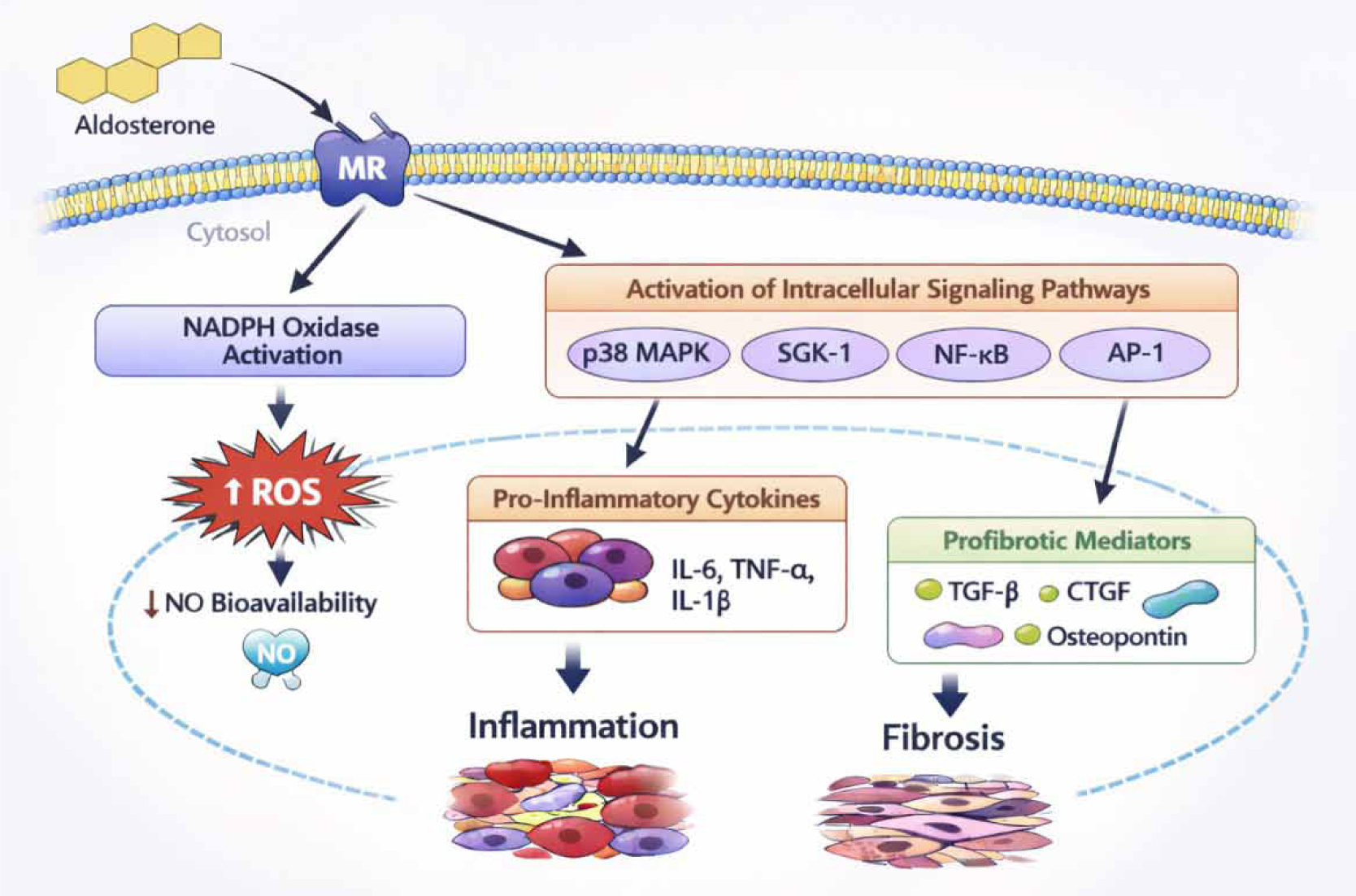
Figure 1. Intracellular cascade after MR activation.
In the heart, this process contributes to myocardial hypertrophy, ventricular remodeling, ischemia, arrhythmias, and myocardial injury. In the kidneys, it promotes glomerular hypertrophy, glomerulosclerosis, proteinuria, reduced renal blood flow, and progressive renal injury. Mineralocorticoid receptor antagonists (MRAs) interrupt these pathways, thereby reducing oxidative stress, inflammation, and fibrosis, and protecting both cardiac and renal function.
Spironolactone and eplerenone are steroidal, flat-structured compounds, whereas finerenone is a bulkier, nonsteroidal molecule. While spironolactone demonstrates high potency at the MR, it has lower selectivity and is associated with central nervous system penetration and more frequent sex hormone related adverse effects due to off-target receptor interactions. Eplerenone offers greater selectivity than spironolactone but has lower MR potency and a shorter half-life.
Finerenone, in contrast, combines high potency with greater selectivity for the MR and minimal off-target hormonal effects. It has limited CNS penetration, no active metabolites, and a shorter half-life. Compared with steroidal MRAs, finerenone exerts a more balanced cardiorenal protective effect with a comparatively modest impact on blood pressure [20].
Evidence from Landmark Trials
One of the first clinical evaluations of the albuminuria-lowering effect of selective mineralocorticoid receptor blockade with eplerenone in T2D was conducted in a multicenter, randomized, double-blind, placebo-controlled, parallel-group trial involving 268 patients with T2D and albuminuria, which was published in 2006. Participants received background therapy with the ACE inhibitor enalapril and were randomized to add eplerenone 50 mg, eplerenone 100 mg, or placebo. The addition of eplerenone at either dose produced a clinically meaningful and statistically significant reduction in albumin excretion compared with enalapril plus placebo, demonstrating that selective aldosterone blockade can provide incremental antiproteinuric benefit on top of renin–angiotensin system inhibition in albuminuric T2D [21]. A recent prospective clinical study demonstrated that, among patients with glomerular diseases, add-on eplerenone therapy resulted in a significant reduction in proteinuria, was well tolerated, and did not cause meaningful short-term deterioration in kidney function. These findings support the conclusion that eplerenone may offer antiproteinuric benefits beyond standard therapy across various etiologies of proteinuric CKD [22].
Later trials explored the benefits of non-steroidal MRAs. The FIDELIO-DKD trial evaluated the efficacy and safety of finerenone, on top of standard of care, in patients with T2D and advanced CKD. Eligible patients had an eGFR of 25–60 mL/min/1.73 m² with moderately increased albuminuria (ACR 30–300 mg/g) plus diabetic retinopathy, or an eGFR of 25–75 mL/min/1.73 m² with severely increased albuminuria (ACR 300–5000 mg/g). The primary outcome included kidney failure (end-stage kidney disease defined as initiation of dialysis for ≥90 days or kidney transplantation), sustained eGFR <15 mL/min/1.73 m², a sustained ≥40% decline in eGFR from baseline, or death from renal causes. Finerenone significantly reduced the risk of kidney disease progression compared with placebo. In addition, treatment was associated with a lower risk of cardiovascular events.
The FIGARO-DKD trial followed, evaluating the efficacy and safety of finerenone, on top of standard of care in patients with T2D and CKD stages 1–4 with moderately to severely increased albuminuria [23]. Eligible patients had either a urine albumin-to-creatinine ratio (UACR) of 30–300 mg/g with an eGFR of 25–90 mL/min/1.73 m² or a UACR of 300–5000 mg/g with an eGFR ≥60 mL/min/1.73 m². The primary cardiovascular outcome included cardiovascular death, nonfatal myocardial infarction, nonfatal stroke, or hospitalization for heart failure. Finerenone significantly reduced the risk of the primary cardiovascular outcome compared with placebo, with the benefit largely driven by a reduction in hospitalization for heart failure. Overall, in patients with T2D and earlier-stage CKD with albuminuria, finerenone improved cardiovascular outcomes when added to optimized background therapy, complementing the kidney-focused benefits demonstrated in FIDELIO-DKD in a more advanced CKD population.
The CONFIDENCE trial was a randomized, double-blind, three-arm Phase 2 study in adults with CKD (eGFR 30–90 mL/min/1.73 m²), significant albuminuria (UACR 100–5000 mg/g), and T2D already treated with RAAS blockade. Participants were assigned to receive finerenone, empagliflozin, or both. At 180 days, initial combination therapy led to a significantly greater reduction in UACR than either agent alone, with a 29% greater reduction than with finerenone alone and a 32% greater reduction than with empagliflozin alone. The combination generally did not result in serious adverse events. These findings support the albuminuria-lowering effect of finerenone and empagliflozin in patients with CKD and T2D. They also indicate that treatment can be initiated with both agents simultaneously [24].
There is currently no definitive evidence supporting the use of nonsteroidal MRAs in patients with CKD without diabetes. However, this question is being addressed in the ongoing FIND-CKD trial [25].
Guideline Recommendations and Clinical Implementation
A nonsteroidal MRA with proven kidney or cardiovascular benefit is suggested for adults with T2D, an eGFR >25 mL/min/1.73 m², normal serum potassium, and persistent albuminuria (>30 mg/g) despite treatment with a maximally tolerated dose of a renin–angiotensin system inhibitor (RAASi). Where indicated, a nonsteroidal MRA may be added to therapy with a RAASi and an SGLT2 inhibitor for adults with T2D and CKD.
To reduce the risk of hyperkalemia, candidates should have consistently normal serum potassium at baseline, and serum potassium should be monitored regularly after initiation. Selection should prioritize agents with documented renal and/or cardiovascular outcome benefits. In contrast, steroidal MRAs may be used for indications such as heart failure, hyperaldosteronism, or resistant hypertension, but carry a higher risk of hyperkalemia and a reversible decline in GFR, particularly in patients with low baseline kidney function.
Serum potassium should be carefully monitored during treatment with a nonsteroidal MRA such as finerenone, following protocols derived from the FIDELIO-DKD and FIGARO-DKD trials. Finerenone may be initiated in patients with normal baseline potassium (generally ≤4.8 mmol/L), with dose selection based on eGFR. Potassium should be reassessed approximately one month after initiation and periodically thereafter (e.g. every 4 months). If potassium rises to 4.9–5.5 mmol/L, treatment may be continued with close monitoring. If potassium exceeds 5.5 mmol/L, finerenone should be temporarily withheld, contributing factors addressed, and therapy reconsidered once potassium returns to ≤5.0 mmol/L. These thresholds are based on trial design and regulatory guidance (including FDA labeling, which recommends initiation at K⁺ <5.0 mmol/L) and may vary across regions. Serum creatinine and eGFR should be assessed concurrently with potassium throughout treatment (Table 2).
An oral potassium binder can help control potassium levels while allowing continuation of therapy. Sodium zirconium cyclosilicate is a selective potassium binder that acts throughout the gastrointestinal tract by capturing free potassium in the intestinal lumen. This mechanism lowers serum potassium levels and increases fecal potassium excretion. Its onset of action is rapid, with reductions in serum potassium observed as early as one hour after administration. The recommended initial dose is 10 g three times daily, administered orally, and normokalemia is typically achieved within 24–48 hours. For maintenance therapy, the usual dose is 5 g once daily, with the option to titrate to 10 g once daily based on the patient’s potassium levels and clinical response [26].
GLP-1 Receptor Agonists
Mechanism of Action and Pathophysiologic Rationale
Glucagon-Like Peptide-1 (GLP-1) is an incretin hormone secreted by intestinal L cells at low basal levels during fasting and is rapidly elevated after food intake. It enhances glucose-dependent insulin secretion via GLP-1 receptors on pancreatic β-cells and supports insulin synthesis, while also suppressing glucagon release in a glucose-dependent manner, contributing importantly to postprandial glucose control. Beyond the pancreas, GLP-1 slows gastric emptying and intestinal motility, reducing the rate of nutrient absorption. It also acts through central and vagal pathways to increase satiety and decrease appetite and may improve postprandial nutrient handling in peripheral tissues [27].
In peripheral tissues, it improves glucose uptake in skeletal muscle, reduces hepatic glucose production and steatosis, and enhances adipose tissue perfusion and metabolic activity. Cardiovascular effects include improved glucose utilization, vasodilation, cardioprotection, and increased cardiac output. In the kidney, GLP-1 promotes natriuresis and diuresis, contributing to blood pressure reduction. Additionally, GLP-1 appears to exert anti-inflammatory effects. Overall, GLP-1 integrates pancreatic, metabolic, renal, and cardiovascular pathways to optimize postprandial glucose handling and energy homeostasis [28].
Evidence from Landmark Trials
In the SUSTAIN-6 trial, 3,297 patients with T2D were randomized to receive once-weekly semaglutide (0.5 or 1.0 mg) or placebo and followed for a median of 2.1 years [24]. Most participants (83%) had established cardiovascular disease, chronic kidney disease, or both, representing a high-risk population. The primary endpoint was cardiovascular death, nonfatal myocardial infarction, or nonfatal stroke. Semaglutide significantly reduced the risk of major adverse cardiovascular events compared with placebo, demonstrating cardiovascular benefit in patients with T2D at high risk. New or worsening nephropathy occurred in 3.8% of the patients in the semaglutide group versus 6.1% in the placebo group. A reduced incidence of macroalbuminuria was also reported in the semaglutide group.
In the LEADER trial renal analysis, 9,340 patients with T2D at high cardiovascular risk were randomized to liraglutide or placebo and followed for a median of 3.84 years [29]. The prespecified renal endpoint—new-onset persistent macroalbuminuria, persistent doubling of serum creatinine, end-stage kidney disease, or death from renal causes—occurred less frequently with liraglutide than with placebo. This benefit was driven mainly by a reduction in new-onset persistent macroalbuminuria, while rates of creatinine doubling and kidney replacement therapy did not differ significantly between groups.
In contrast to the SUSTAIN-6 and LEADER trials, where renal benefits were largely driven by reductions in albuminuria in broader high–cardiovascular-risk populations, the more recent FLOW trial specifically enrolled patients with T2D and established CKD. A total of 3,533 patients with reduced eGFR and significant albuminuria were randomized and followed for a median of 3.4 years [30]. The primary outcome (kidney failure, over 50% decline in eGFR, or death from renal or cardiovascular causes) occurred 24% less frequently in the semaglutide group compared with placebo. Similar benefits were observed for the kidney-specific outcomes and for cardiovascular death. Unlike the earlier cardiovascular outcome trials, this study demonstrated a clear protective effect of semaglutide on hard kidney endpoints in a population with established CKD, extending the evidence beyond albuminuria reduction to meaningful slowing of kidney disease progression.
Guideline Recommendations and Clinical Implementation
In adults with T2D and CKD who do not achieve individualized glycemic targets despite treatment with metformin and an SGLT2 inhibitor or for those who cannot use one or both of these agents, a long-acting GLP-1 receptor agonist is recommended. When selecting a GLP-1 receptor agonist, priority should be given to agents with demonstrated cardiovascular benefit.
CONCLUSION
The approach to managing CKD has shifted from mostly supportive care to treatments targeting the main pathways of disease progression and cardiovascular risk. The best markers for predicting outcomes in CKD remain albuminuria and a declining eGFR. Early detection and correct staging of CKD can help the immediate commencement of appropriate treatment. Within this framework, pharmacologic treatment is now anchored by four complementary pillars that act on distinct mechanisms of injury.
Renin-angiotensin-aldosterone system inhibitors remain central to treatment, as they reduce albuminuria and slow CKD progression. However, individual use of RAAS inhibitors does not eliminate all renal and cardiovascular risks. Sodium-glucose co-transporter 2 inhibitors have been added to treatment options by providing both kidney and cardiac protection for people with CKD, even those without diabetes. Current guidelines recommend SGLT2 inhibitors as part of the main therapy for CKD, even at lower eGFR levels and for patients with heart failure, regardless of albuminuria.
Nonsteroidal MRAs add extra antifibrotic and anti-inflammatory benefits, especially for people with T2D and concomitant albuminuria. It is important to monitor potassium levels closely and have a clear management plan for complications. There is still not much evidence for nonsteroidal MRAs in people with CKD who do not have diabetes, but ongoing studies like the FIND-CKD study should help clarify their role.
GLP-1 receptor agonists offer cardiac and metabolic benefits, along with proven renal protection. These results support the guideline recommendation for the use of long-acting GLP-1 receptor agonists for patients who cannot achieve blood sugar goals with metformin and SGLT2 inhibitors.
Using RAAS inhibitors, SGLT2 inhibitors, nonsteroidal MRAs, and GLP-1 receptor agonists together provides a more complete approach to CKD care in patients with T2D. This strategy helps slow the progression to kidney failure and lowers the risk of cardiovascular events. Future studies should focus on the best ways to combine these treatments, improve screening, and clarify the role of these emerging therapies across non-diabetic CKD populations as well.
Conflict of Interest
Authors have no conflict of interest concerning this manuscript.
Declaration of funding sources
None to declare.
Author contributions
MP conception and design; PP drafting of the article; AB conception and design; AK drafting of the article; EP critical revision of the article for important intellectual content. All authors have approved the final version of the manuscript.
REFERENCES
- Bikbov B, Purcell CA, Levey AS, Smith M, Abdoli A, Abebe M, et al. Global, regional, and national burden of chronic kidney disease, 1990–2017: a systematic analysis for the Global Burden of Disease Study 2017. Lancet. 2020; 395(10225):709-33.
- Stevens PE, Ahmed SB, Carrero JJ, Foster B, Francis A, Hall RK, et al. KDIGO 2024 Clinical Practice Guideline for the Evaluation and Management of Chronic Kidney Disease. Kidney Int. 2024;105(4S):S117-314.
- Levin A, Okpechi IG, Caskey FJ, Yang C-W, Tonelli M, Jha V. Perspectives on early detection of chronic kidney disease: the facts, the questions, and a proposed framework for 2023 and beyond. Kidney Int. 2023;103(6):1004-8.
- Zannad F, Mcguire DK, Ortiz A. Treatment strategies to reduce cardiovascular risk in persons with chronic kidney disease and Type 2 diabetes. J Intern Med. 2025;297(5):460-78.
- Rovin BH, Adler SG, Barratt J, Bridoux F, Burdge KA, Chan TM, et al. KDIGO 2021 Clinical Practice Guideline for the Management of Glomerular Diseases. Kidney Int. 2021;100(4):S1-276.
- Webster A, Nagler EV, Morton RL, Masson P. Chronic Kidney Disease. Lancet. 2017; 389(10075): 1238–52.
- Remuzzi G, Perico N, Macia M, Ruggenenti P. The role of renin-angiotensin-aldosterone system in the progression of chronic kidney disease. Kidney Int. 2005;68(Suppl 99):S57-65.
- Ksiazek SH, Hu L, Andò S, Pirklbauer M, Säemann MD, Ruotolo C, et al. Renin–Angiotensin–Aldosterone System: From History to Practice of a Secular Topic. Int J Mol Sci. 2024;25(7):4035.
- Lewis EJ, Hunsicker LG, Bain RP, Rohde RD. The Effect of Angiotensin-Converting-Enzyme Inhibition on Diabetic Nephropathy. N Engl J Med. 1993;329(20):1456-62.
- Lewis EJ, Hunsicker LG, Clarke WR, Berl T, Pohl MA, Lewis JB, et al. Renoprotective Effect of the Angiotensin-Receptor Antagonist Irbesartan in Patients with Nephropathy Due to Type 2 Diabetes. N Engl J Med. 2001;345(12):851-60.
- Brenner BM, Cooper ME, De Zeeuw D, Keane WF, Mitch WE, Parving H-H, et al. Effects of Losartan on Renal and Cardiovascular Outcomes in Patients with Type 2 Diabetes and Nephropathy. N Engl J Med. 2001;345(12):861-9.
- Bhandari S, Mehta S, Khwaja A, Cleland JGF, Ives N, Brettell E, et al. Renin–Angiotensin System Inhibition in Advanced Chronic Kidney Disease. N Engl J Med. 2022;387(22):2021-32.
- Salvatore T, Galiero R, Caturano A, Rinaldi L, Di Martino A, Albanese G, et al. An Overview of the Cardiorenal Protective Mechanisms of SGLT2 Inhibitors. Int J Mol Sci. 2022;23(7):3651.
- Heerspink HJL, Stefánsson BV, Correa-Rotter R, Chertow GM, Greene T, Hou F-F, et al. Dapagliflozin in Patients with Chronic Kidney Disease. N Engl J Med. 2020;383(15):1436-46.
- The EMPA-KIDNEY Collaborative Group; Herrington WG, Staplin N, Wanner C, Green JB, Hauske SJ, Emberson JR, et al. Empagliflozin in Patients with Chronic Kidney Disease. N Engl J Med. 2023;388(2):117-27.
- Apperloo EM, Neuen BL, Fletcher RA, Jongs N, Anker SD, Bhatt DL, et al. Efficacy and safety of SGLT2 inhibitors with and without glucagon-like peptide 1 receptor agonists: a SMART-C collaborative meta-analysis of randomised controlled trials. Lancet Diabetes Endocrinol. 2024;12(8):545-57.
- Taves MD, Gomez-Sanchez CE, Soma KK. Extra-adrenal glucocorticoids and mineralocorticoids: evidence for local synthesis, regulation, and function. Am J Physiol Endocrinol Metab. 2011;301(1):E11–24.
- Laragh JH, Angers M, Kelly WG, Lieberman S. Hypotensive agents and pressor substances. The effect of epinephrine, norepinephrine, angiotensin II, and others on the secretory rate of aldosterone in man. JAMA. 1960;174:234-40.
- Bauersachs J, Jaisser F, Toto R. Mineralocorticoid Receptor Activation and Mineralocorticoid Receptor Antagonist Treatment in Cardiac and Renal Diseases. Hypertension. 2015;65(2):257-63.
- Epstein M, Kovesdy CP, Clase CM, Sood MM, Pecoits-Filho R. Aldosterone, Mineralocorticoid Receptor Activation, and CKD: A Review of Evolving Treatment Paradigms. Am J Kidney Dis. 2022;80(5):658-66.
- Epstein M, Williams GH, Weinberger M, Lewin A, Krause S, Mukherjee R, et al. Selective aldosterone blockade with eplerenone reduces albuminuria in patients with type 2 diabetes. Clin J Am Soc Nephrol. 2006;1(5):940-51.
- Papasotiriou M, Georgopoulou GA, Mpratsiakou A, Ntrinias T, Lyras G, Goumenos DS, et al. A Prospective Study of Eplerenone in the Treatment of Patients with Glomerulonephritis. Biomedicines. 2023;11(12):3340.
- Pitt B, Filippatos G, Agarwal R, Anker SD, Bakris GL, Rossing P, et al. Cardiovascular Events with Finerenone in Kidney Disease and Type 2 Diabetes. N Engl J Med. 2021;385(24):2252-63.
- Agarwal R, Green JB, Heerspink HJL, Mann JFE, McGill JB, Mottl AK, et al. Finerenone with Empagliflozin in Chronic Kidney Disease and Type 2 Diabetes. N Engl J Med. 2025;393(6):533-43.
- Heerspink HJL, Agarwal R, Bakris GL, Cherney DZI, Lam CSP, Neuen BL, et al. Design and baseline characteristics of the Finerenone, in addition to standard of care, on the progression of kidney disease in patients with Non-Diabetic Chronic Kidney Disease (FIND-CKD) randomized trial. Nephrol Dial Transplant. 2025;40(2):308-19.
- Packham DK, Rasmussen HS, Lavin PT, El-Shahawy MA, Roger SD, Block G, et al. Sodium Zirconium Cyclosilicate in Hyperkalemia. N Engl J Med. 2015;372(3):222-31.
- Muskiet MHA, Tonneijck L, Smits MM, van Baar MJB, Kramer MHH, Hoorn EJ, et al. GLP-1 and the kidney: from physiology to pharmacology and outcomes in diabetes. Nat Rev Nephrol. 2017;13(10):605-28.
- Tanday N, Flatt PR, Irwin N. Metabolic responses and benefits of glucagon‐like peptide‐1 (GLP‐1) receptor ligands. Br J Pharmacol. 2022;179(4):526-41.
- Mann JFE, Ørsted DD, Brown-Frandsen K, Marso SP, Poulter NR, Rasmussen S, et al. Liraglutide and Renal Outcomes in Type 2 Diabetes. N Engl J Med. 2017;377(9):839-48.
- Perkovic V, Tuttle KR, Rossing P, Mahaffey KW, Mann JFE, Bakris G, et al. Effects of Semaglutide on Chronic Kidney Disease in Patients with Type 2 Diabetes. N Engl J Med. 2024;391(2):109-21.