ACHAIKI IATRIKI | 2020; 39(1):23–28
Research Article
Evanthia Tourkochristou1, Georgios Beskos2, Stavros Kanaloupitis1, Dionisia Mihalakopoulou2, Katerina Κaraivazoglou1, Konstantinos Zisimopoulos1, Ioanna Aggeletopoulou1, Aggeliki Tsintoni3, Konstantinos Thomopoulos1, Harilaos Zannidis2, Christos Triantos1
1Division of Gastroenterology, Department of Internal Medicine, University Hospital of Patras, Patras, Greece,
2Detention Center of Patras, Patras, Greece, 3Department of Internal Medicine, University Hospital of Patras, Patras, Greece
Received: 18 February 2020; Accepted: 18 March 2020
Corresponding author: Christos Triantos, MD, D. Stamatopoulou 4, Rio 26504, Patras, Greece, Tel.: +30697289465, Fax: +302610625382, E-mail: chtriantos@hotmail.com
Key words: Hepatitis C, infection, prevalence, prisoners

Abstract
Introduction: Hepatitis C virus (HCV) infection is a major issue of public health worldwide. Prisoners constitute a social group with a high risk of HCV infection. In our study, we aimed to estimate the prevalence of anti-HCV antibodies in prisoners at a detention center in Southwestern Greece.
Materials and Methods: Participants, recruited from Detention Center of Patras, Greece, were tested for HCV antibodies using Line ImmunoAssay (Inno-LIA HCV Ab) and filled out a questionnaire with demographic data and risk factors for HCV infection. Prison inmates who were anti-HCV positive, participated in the study.
Results: In total, 535 of all eligible prisoners consented to participate. The prevalence of anti-HCV positive prisoners was 14.95% (80/535). Anti-HCV positive prisoners had a mean age of 40.33 years (range 22-56). Risk factors, associated with HCV transmission among prisoners were intravenous drug use, tattooing and unprotected sexual intercourse.
Conclusion: A high prevalence of anti-HCV antibodies was observed in adult prisoners in Southwestern Greece and the majority of prisoners had developed behaviors of high HCV transmission risk prior to incarceration. Promotion of HCV screening and therapeutic interventions will improve management and prevention of HCV infection in prisons.
Introduction
Hepatitis C virus infection (HCV) is a major public health issue, distributed in different countries worldwide. A systematic review of HCV epidemiology by Petruzziello et al. showed that the global prevalence of HCV is 2,5%, which refers to 177,5 million of HCV infected adults, and a global viraemic rate of 67%, which represents HCV chronically infected individuals out of all HCV infected individuals [1]. According to the 2017 WHO report, more than 70 million people globally were infected by the HCV in 2015 and developed chronic hepatitis C. HCV prevalence varies in different regions with higher rates reported in the Eastern Mediterranean Region (2,3%) and the European Region (1,5%) [2]. Moreover, a great increase in HCV incidence has been observed between 2005 (10.000 cases per year) and 2016 (40.000 cases per year) [3]. However, other systematic epidemiological studies, including data from different time periods and geographic regions, reported a lower HCV prevalence in high-income compared to low-income countries [1, 4]. Regarding the proportion of HCV infected individuals in Greece, it has been reported that almost 74,000-134,000 Greek patients have chronic hepatitis C [5]. A study about the epidemiology of the HCV infection in Greece showed significant changes in HCV genotype distribution and mode of HCV transmission during the last three decades. In particular, a shift from genotype 1 to genotype 3 has been recorded, accompanied by an increased HCV prevalence in intravenous drug users [6].
Hepatitis C is a severe infection, given that a significant proportion of HCV infected patients may develop chronic liver diseases such as hepatitis, liver cirrhosis, hepatocellular carcinoma (HCC) and face increased mortality risk [7]. Approximately 399.000 HCV-related deaths were recorded by WHO in 2016, the majority of which were associated with chronic liver diseases [2]. Progressive, HCV-related liver disease has also been a major indication for liver transplantation [8]. In this context, chronic HCV infection represents a great health and economic burden, as regular monitoring and medical interventions are required. Although new antiviral agents have been developed, demonstrating high efficacy in eliminating HCV [9], further research on novel therapeutic strategies, interventions, vaccination and diagnosis is still ongoing. A WHO report regarding HBV and HCV elimination by 2030, highlights the need of universal access to diagnosis and treatment, combination of treatment with prevention, treatment of HBV and HCV coinfection among HIV infected individuals, as well as improvement of safety policies and prevention (injection and blood safety, vaccination) [10].
There are certain social groups which constitute high-risk populations, taking into account the transmission route of the virus (drug users, babies born to HCV mothers, sexual partners of HCV or HIV patients, tattoos and piercings) [11]. Prisoners run an increased risk for the HCV infection compared to other populations, probably due to their living conditions which predispose to behaviors that favor HCV transmission [12, 13]. According to a meta-analysis of HCV prevalence in prisons worldwide, for the time period 2005-2015, HCV prevalence was higher (2,4%) among prisoners in Central Brazil compared to the general population (1,38%) and HCV exposure was significantly higher in males (2,7%) than females (0,6%) [14, 15]. Another systematic review reported that globally 2,2 million prisoners are anti-HCV positive and a significant increase in the prevalence of infection was observed in detainees who have been drug users [12]. Taking into consideration that more than 10 million people are being held at detention centers worldwide, the study of prevalence of infectious diseases, like hepatitis C in this social group is of high epidemiological importance [16]. In parallel, improvement of HCV management in prisons is quite difficult due to the limited data regarding HCV prevalence and the number of HCV-infected prisoners that need treatment [17].
Prisoners’ attitude regarding the knowledge and treatment of HCV-related liver diseases constitutes an important barrier to HCV management. Specifically, a major proportion of detainees have no knowledge about the HCV or the transmission route of the virus and they are afraid of screening, treatment or being stigmatized [18]. In our study, we aimed to estimate the prevalence of anti-HCV antibodies in prisoners in Southwestern Greece and record patients’ demographic characteristics and lifestyle habits.
Materials and methods
Study participants
In this prevalence study, a total of 535 male adults, held at Detention Center of Patras, Greece were initially enrolled to be examined for anti-HCV antibodies. Prisoners’ recruitment and baseline examination were performed at the University Hospital of Patras (Greece). After getting baseline values and recording the complete medical history of each participant, the prisoners were tested for the presence of HCV antibodies (anti-HCV). Management of study participants was conducted in accordance with the Declaration of Helsinki. Participants gave written informed consent and the study protocol and all relevant procedures were approved by Ethical Committee of the University Hospital of Patras.
Data Collection
Data regarding participants’ demographic characteristics, lifestyle habits, HCV transmission risk factors and incarceration-related information were collected through the administration of a detailed questionnaire. Detection of serum anti-HCV antibodies was performed by Line ImmunoAssay (Inno-LIA HCV Ab).
Statistical analysis
Data analysis was performed by the statistical program IBM®SPSS Statistical Software® version 20, using descriptive statistics.
Results
A total of 535 prisoners were recruited to participate in the study and were evaluated for the presence of HCV antibodies. 80 (14.95%) prisoners were anti-HCV positive and 63 [median age 40.33 years (22-56)] eventually agreed to participate in the study. The remaining 17, either refused to participate in the study or were released or transferred to other detention centers, hence being excluded from the study. Forty-five (45) prisoners (71,4%) had the Greek nationality, 26 prisoners (41,3%) attended secondary education and 31 prisoners (49,2%) had full-time employment prior to incarceration. All participating prisoners had been admitted to detention center more than once in the past. The major causes of incarceration were burglary (n=26, 41.3%) and drug possession/trafficking (n=41, 65.1%). 30 prisoners (47.6%) had received tattoos prior to incarceration and 34 prisoners (54%) had tattooed after incarceration (Table 1).
Unprotected sexual intercourse was reported by 62 prisoners (98.40%) and 8 (12.7%) prisoners had unprotected intercourse with HCV positive partners. Needle sharing was reported by 27 prisoners (42.9%) and 21 (33.30%) had a history of alcohol abuse prior to incarceration. Two (2) prisoners (3.2%) reported that they engaged in homosexual relationships while 3 (4.8%) reported a history of blood transfusion (Figure 1).
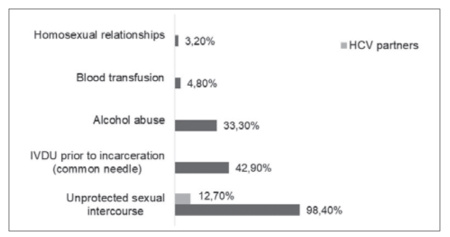
Figure 1. Rates of lifestyle characteristics among participants
Discussion
Great variance in HCV prevalence among specific sub-populations has been reported in several European countries. Many studies have focused on estimating HCV prevalence rates in the general population, but there is limited information about the frequency of HCV infection among certain groups of people, like prisoners, and potential risk factors [19, 20]. The highest prevalence rates of anti-HCV antibodies have been recorded in drug users, followed by prisoners, HIV positive men who have sex with men, pregnant women and first-time blood donors [21].
In our study, we aimed to estimate the prevalence of anti-HCV antibodies in prisoners at Detention Center in Southwestern Greece and record patients’ demographic characteristics and lifestyle habits. Determining the prevalence of anti-HCV antibodies in prisoners is of high epidemiological importance as prisons are characterized by behaviors that promote HCV transmission (tattooing, unprotected sexual intercourse, homosexual relationships) and the number of prisoners is significantly increased worldwide [16]. In parallel, many prisoners may have adopted behaviors of high HCV risk prior to incarceration, a fact that favors HCV transmission. The majority of the 1.8 million prisoners in the United States were HCV infected prior to incarceration [22] and HCV infected prisoners in a prison state of Mexico continued to engage in high-risk behaviors at a higher frequency compared to non-infected prisoners during incarceration [23].
Taking into account the existence of various barriers to the control of HCV infection in prison settings, further investigation of HCV prevalence among prisoners needs to be conducted. Some of the factors which may impede early therapeutic intervention and HCV infection control in prison are short prison sentences, regular interprison transfers that interrupt treatment, prisoners’ behavior, lack of knowledge regarding HCV screening, therapy and disease transmission and economic issues including the high cost of available treatment and low healthcare resources in detention centers [24]. In general, low socioeconomic status has been highlighted as a risk factor for HCV infection and has been associated with poor prognosis [25]. Thus, determining the prevalence of anti-HCV antibodies in prisoners will provide useful guidance for more efficient management of HCV infection in this environment.
The prevalence of anti-HCV antibodies in prisoners was estimated at 14.95% in our study, an extremely higher percentage than the observed rates of 0.83%-1.79% and 2.5% in the Greek and global general population respectively [1, 5]. This finding corroborates an earlier study by Moradi et al. regarding the worldwide prevalence of HCV in prisons, which was estimated at 13.22%. The highest HCV prevalence rates, 26.4% and 24.26%, were recorded in Australia and the Southeast Asia region, respectively [15].
Regarding the prisoners’ demographic characteristics and lifestyle behaviors, the majority of participants reported behaviors that promote HCV transmission, as they were incarcerated due to drug possession/trafficking, almost half of them had tattooing prior to incarceration and a small trend of increase was observed in the rate of tattooing after incarceration. A high rate of unprotected sexual intercourse was reported by prisoners in our study and a small percentage of those had HCV partners. Almost half of prisoners were drug users (sharing needles) prior to incarceration and 1/3 of participants reported alcohol abuse. A small percentage of prisoners had a history of homosexual relationships and blood transfusion.
The present findings are in line with those reported by previous epidemiological studies. In particular, intravenous drug use has been shown to be an independent prognostic factor for HCV infection among prisoners at prison of Brazil [26]. Soholm et al. also found that intravenous drug use, along with older age (>40 years) and long duration of incarceration (>10 years) constitute risk factors of HCV infection among prisoners at Danish prisons. An observed decline in overall incidence of HCV infection during the last 20 years has been associated with a decrease in the prevalence of intravenous drug use among Danish prisoners, especially those of younger age (<35) [27]. Exposure to HCV was high among prisoners of Iran who had history of drug use, age over 30 and tattooing [28]. Older age was a main characteristic in our study sample, as the mean age of participated prisoners was 40.33 years. A cross sectional, anonymous survey conducted by Ramamoorthy et al. in prison inmates in India reported a high rate of unprotected sexual intercourse (81%), as a main characteristic among prisoners, which is consistent with the high rate (98,4%) reported in our study. Ramamoorthy et al. also showed that significant risk factors among HCV positive prisoners were intravenous drug use, frequent commercial sex worker visitor and homosexual behavior [29].
We must consider some limitations in estimating the prevalence of anti-HCV positive prisoners in combination with recorded demographic and other characteristics in our study. Specifically, the research was limited to only one prison in a wider region of Southwestern Greece. Study on gender distribution among prisoners was not possible as all participants were males and the duration prior to anti-HCV positive diagnosis was unknown. Thus, further cross-sectional surveys and epidemiological studies need to be conducted in the field of HCV prevalence in prisons, including data derived from many prisons in every studied geographical region. Significant efforts should be made on investigating the association of risk factors with HCV prevalence in order to design effective screening and intervention strategies in prisoner groups.
A high prevalence of anti-HCV positive prisoners was recorded in Southwestern Greece. The majority of prison inmates had developed behaviors of high HCV transmission risk prior to incarceration, a finding that highlights the need for regular monitoring of prisons regarding the HCV transmission risk. Investigation of HCV epidemiology and risk factors among prisoners will provide valuable information to set up the appropriate policy and clinical guidance, in targeting HCV infection in prisons. Promotion of HCV screening and therapeutic interventions, characterization of prisoners according to their demographic features and their lifestyle will improve management of HCV infection in prisons. Understanding the epidemiology and all the characteristics that may affect HCV transmission and infection in prison could be one crucial step in designing prevention and treatment interventions, leading to better disease control.
Conflict of Interest disclosure
Christos Triantos has received fees as a speaker/advisory board member and research/travel grants from Gilead Sciences. Konstantinos Thomopoulos has received fees as an advisory board member from Gilead Sciences.
Declaration of funding sources
Gilead Sciences
Author contributions
Tourkochristou E, Beskos G, Kanaloupitis S, Mihalakopoulou D, Karaivazoglou K, Zisimopoulos K, Aggeletopoulou I, Tsintoni A, Thomopoulos K, Zannidis H were responsible for the literature review analysis and collection data; Tourkochristou E was responsible for drafting the manuscript and interpreting the data; Triantos C was responsible for the revision of the manuscript for important intellectual content; all authors provided final approval for the version to be submitted.
References
1. Petruzziello A, Marigliano S, Loquercio G, Cozzolino A, Cacciapuoti C. Global epidemiology of hepatitis C virus infection: An up-date of the distribution and circulation of hepatitis C virus genotypes. World J Gastroenterol. 2016;22(34):7824.
2. Organization WH. Global hepatitis report 2017: WHO; 2017.
3. Jafri SM, Gordon SC. Epidemiology of Hepatitis C. Clin Liver Dis. 2018;12(5):140.
4. Mohd Hanafiah K, Groeger J, Flaxman AD, Wiersma ST. Global epidemiology of hepatitis C virus infection: new estimates of age-specific antibody to HCV seroprevalence. Hepatology. 2013;57(4):1333-42.
5. Papatheodoridis GV, Goulis J, Sypsa V, Lionis C, Manolakopoulos S, Elefsiniotis I, et al. Aiming towards hepatitis C virus elimination in Greece. Ann Gastroenterol. 2019;32(4):321.
6. Raptopoulou M, Touloumi G, Tzourmakliotis D, Nikolopoulou G, Dimopoulou M, Giannoulis G, et al. Significant epidemiological changes in chronic hepatitis C infection: results of the nationwide HEPNET-GREECE cohort study. Hippokratia. 2011;15(1):26.
7. Jefferies M, Rauff B, Rashid H, Lam T, Rafiq S. Update on global epidemiology of viral hepatitis and preventive strategies. World J Clin Cases. 2018;6(13):589.
8. Martini S. Hepatitis C and liver transplantation. Minerva Gastroenterol Dietol. 2018;64(2):158-69.
9. Alimohammadi A, Holeksa J, Thiam A, Truong D, Conway B, editors. Real-world efficacy of direct-acting antiviral therapy for HCV infection affecting people who inject drugs delivered in a multidisciplinary setting. Open Forum Infect Dis; 2018: Oxford University Press US.
10. Organization WH. Combating hepatitis B and C to reach elimination by 2030: advocacy brief: WHO;2016.
11. Midgard H, Weir A, Palmateer N, Re III VL, Pineda JA, Macías J, et al. HCV epidemiology in high-risk groups and the risk of reinfection. J Hepatol. 2016;65(1)Suppl: S33-S45.
12. Larney S, Kopinski H, Beckwith CG, Zaller ND, Jarlais DD, Hagan H, et al. Incidence and prevalence of hepatitis C in prisons and other closed settings: results of a systematic review and meta‐analysis. Hepatology. 2013;58(4):1215-24.
13. Imperial JC. Chronic hepatitis C in the state prison system: insights into the problems and possible solutions. Expert Rev Gastroenterol Hepatol. 2010;4(3):355-64.
14. Puga MAM, Bandeira LM, Pompilio MA, Croda J, de Rezende GR, Dorisbor LFP, et al. Prevalence and incidence of HCV infection among prisoners in Central Brazil. PloS One. 2017;12(1):e0169195.
15. Moradi G, Goodarzi E, Khazaei Z. Prevalence of Hepatitis B and C in prisons worldwide: A meta-analysis during the years 2005-2015. Biom Res Ther. 2018;5(4):2235-51.
16. ICPS. World Prison Brief. King’s College London; 2014.
17. Stöver H, Meroueh F, Marco A, Keppler K, de la Hoya PS, Littlewood R, et al. Offering HCV treatment to prisoners is an important opportunity: key principles based on policy and practice assessment in Europe. BMC Public Health. 2019;19(1):30.
18. Crowley D, Van Hout MC, Lambert JS, Kelly E, Murphy C, Cullen W. Barriers and facilitators to hepatitis C (HCV) screening and treatment—a description of prisoners’ perspective. Harm Reduct J 2018;15(1):62.
19. Umutesi J, Liu CY, Penkunas MJ, Makuza JD, Ntihabose CK, Umuraza S, et al. Screening a nation for hepatitis C virus elimination: a cross-sectional study on prevalence of hepatitis C and associated risk factors in the Rwandan general population. BMJ Open. 2019;9(7):e029743.
20. Rosenberg ES, Rosenthal EM, Hall EW, Barker L, Hofmeister MG, Sullivan PS, et al. Prevalence of hepatitis C virus infection in US states and the District of Columbia, 2013 to 2016. JAMA Netw Open. 2018;1(8):e186371-e.
21. Han R, Zhou J, Francois C, Toumi M. Prevalence of hepatitis C infection among the general population and high-risk groups in the EU/EEA: a systematic review update. BMC Infect Dis. 2019;19(1):019-4284.
22. Reindollar RW. Hepatitis C and the correctional population. Am J Med. 1999;107(6):100-3.
23. Belaunzarán-Zamudio PF, Mosqueda-Gomez JL, Macias-Hernandez A, Sierra-Madero JG, Ahmed S, Beyrer C. Risk factors for prevalent hepatitis C virus-infection among inmates in a state prison system in Mexico. PloS One. 2017;12(6):e0179931.
24. Papaluca T, Thompson A. HCV elimination: breaking down the barriers to prison based care. Hepatoma Res. 2018;4:64.
25. Omland LH, Osler M, Jepsen P, Krarup H, Weis N, Christensen PB, et al. Socioeconomic status in HCV infected patients–risk and prognosis. Clin Epidemiol. 2013;5:163.
26. Silva TMPM, Ferreto LED, Follador FAC, Vieira AP, Yamada RS, Lucio LC, et al. Characteristics associated with anti-HCV serological markers in prisoners in the state of Paraná, Brazil: a case-control study. Braz J Infect Dis. 2019;23(3):173-181.
27. Søholm J, Holm DK, Mössner B, Madsen LW, Hansen JF, Weis N, et al. Incidence, prevalence and risk factors for hepatitis C in Danish prisons. PloS One. 2019;14(7):e0220297.
28. Moradi G, Gouya MM, Azimizan Zavareh F, Mohamadi Bolbanabad A, Darvishi S, Aghasadeghi MR, et al. Prevalence and risk factors for HBV and HCV in prisoners in Iran: a national bio-behavioural surveillance survey in 2015. Trop Med Int Health 2018;23(6):641-9.
29. Ramamoorthy M, Venketeswaran A, Seenivasan P, Revathy M, Manimaran M, Chitra S, et al. Risk factors and prevalence, hepatitis B virus and hepatitis C virus among prison inmates, Chennai, India, 2015. Int J Infect Dis. 2016;53:90.